
【Japan’s Oldest】10 “Living Fossil” Spots You Can Actually Visit
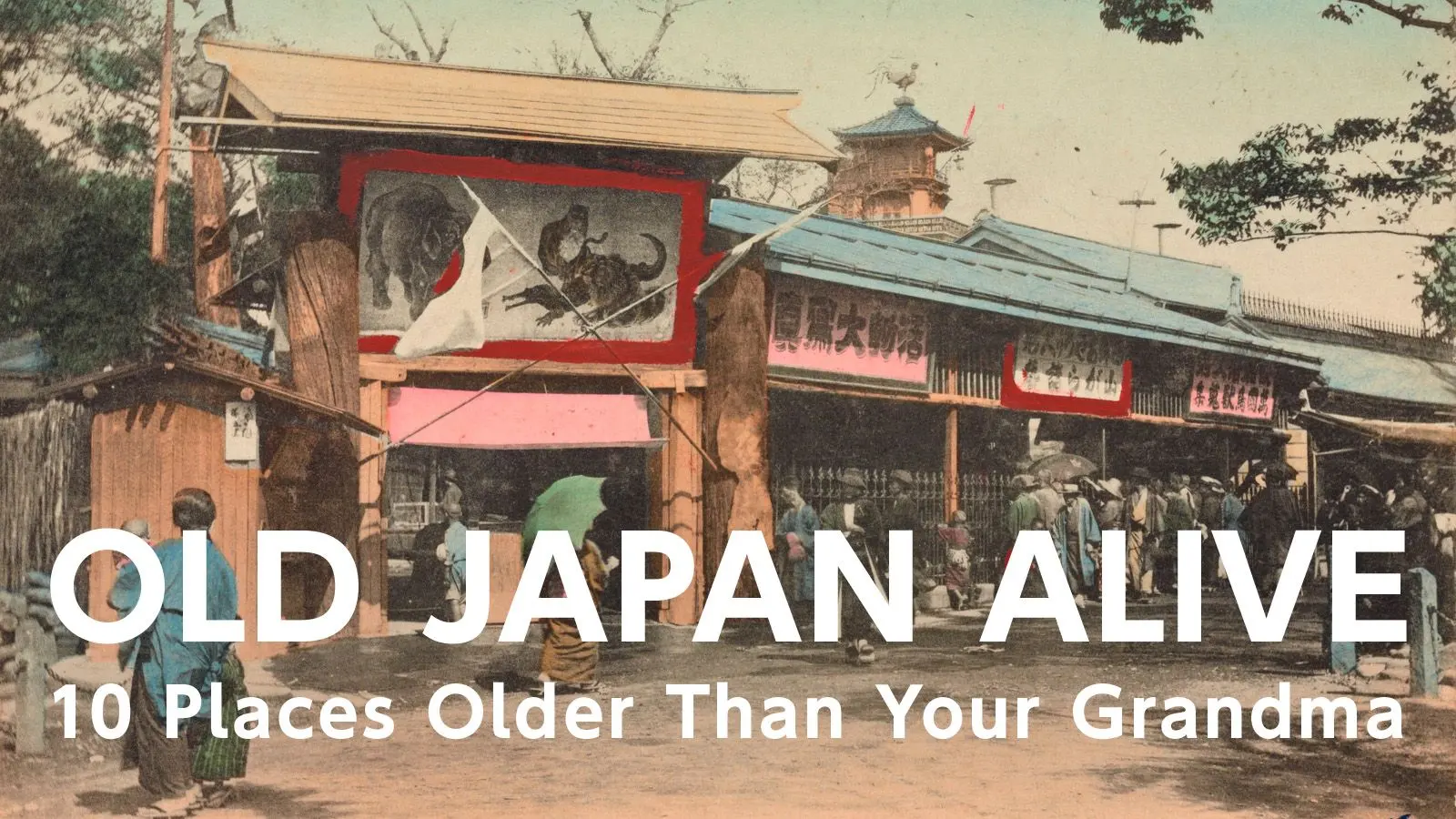 Photo courtesy of The New York Public Library Digital Collections,
Across Japan, there are jaw-droppingly ancient places that are still in use today or open for visitors.
But let’s be real—most of them are temples or shrines.
If you’ve had your fill of sacred statues and miracle-granting deities, this list will give you a whole new angle on Japan’s oldest places.
So here it is: 10 spots that are not only “the oldest,” but also places you can still walk into, look around, and enjoy.
1. Dogo Onsen Honkan (Ehime)|131 Years Old – Japan’s Oldest Hot Spring Bathhouse
Dogo Onsen is said to be Japan’s oldest hot spring, and its central building—Dogo Onsen Honkan—was built in 1894. The elegant, three-story wooden structure is a dream for retro architecture lovers. You can enjoy not just the bath itself but a full-course onsen experience with tatami tea rooms. It’s also rumored to be the inspiration for the bathhouse in Studio Ghibli’s Spirited Away.
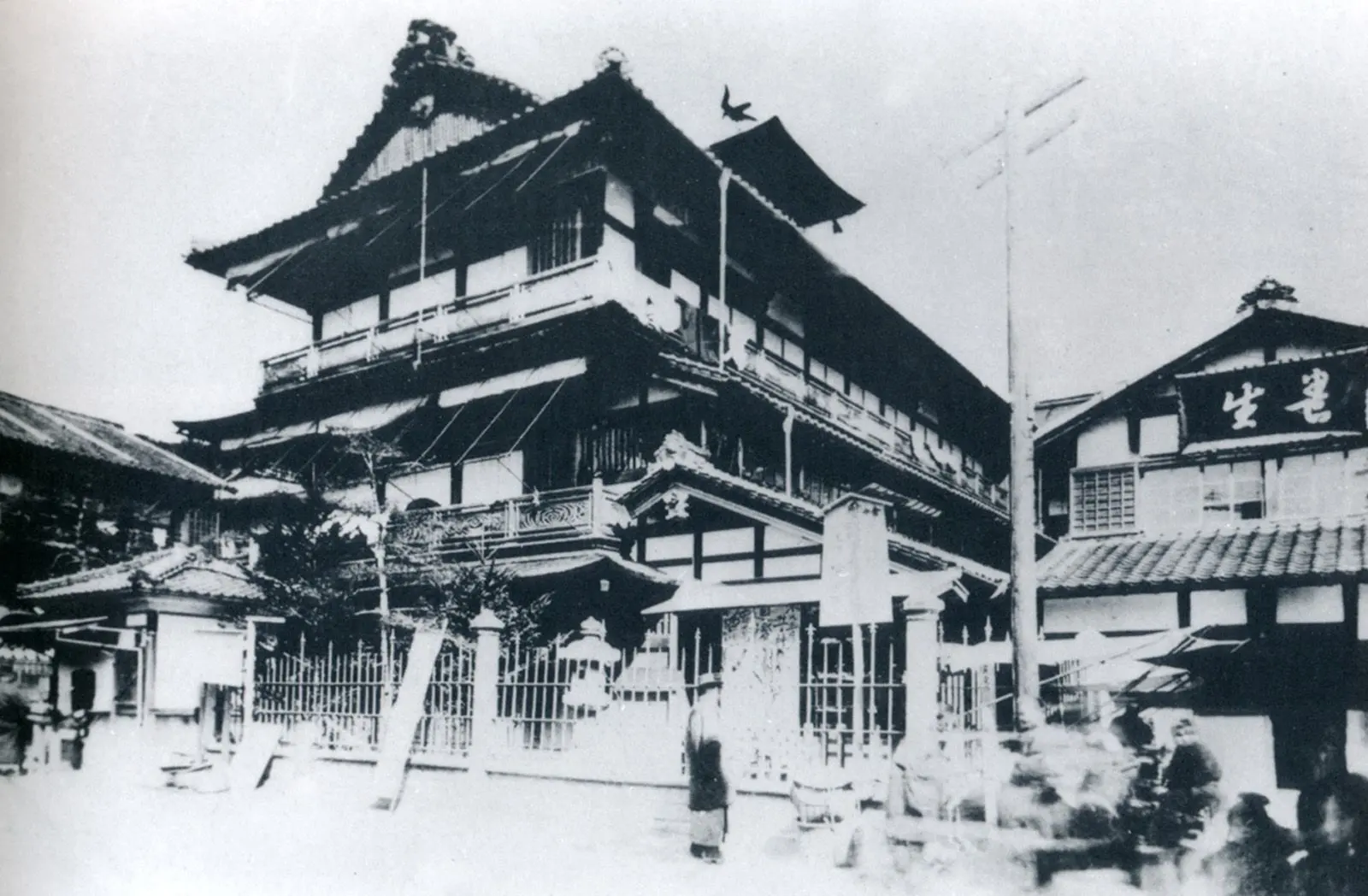
Photo from Dogo Onsen 1894 via Wikimedia Commons (Public Domain) 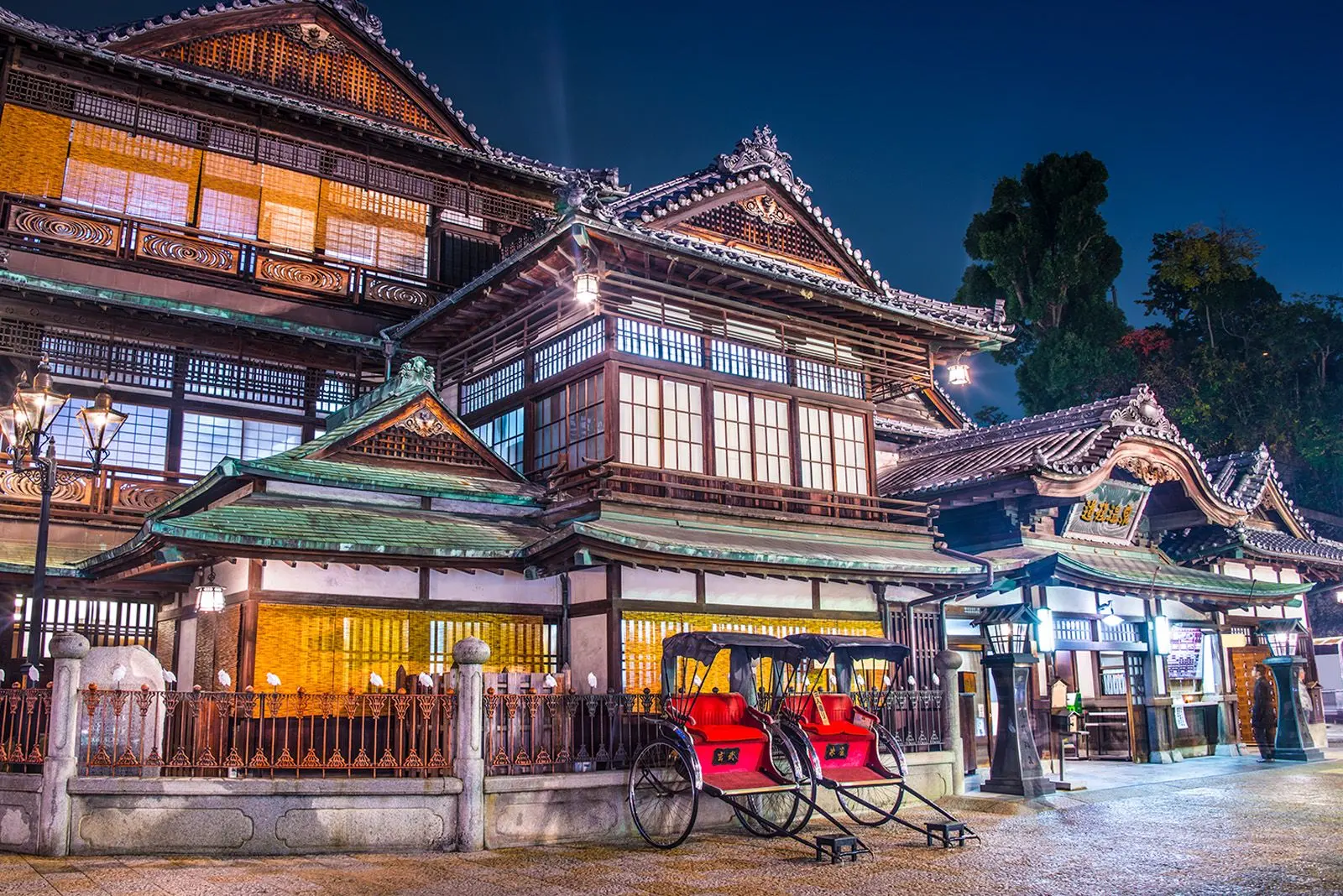
Photo by iStock - 道後温泉本館
2. Tsujun Bridge (Kumamoto)|171 Years Old – Stone Bridge Meets Splash Zone
Completed in 1854, Tsujun Bridge is Japan’s oldest stone-arch aqueduct. It was originally designed to channel irrigation water, but today it draws crowds for its incredible water-discharge shows. Water sprays powerfully from the central arch, soaking onlookers with an unexpected dose of historical drama.
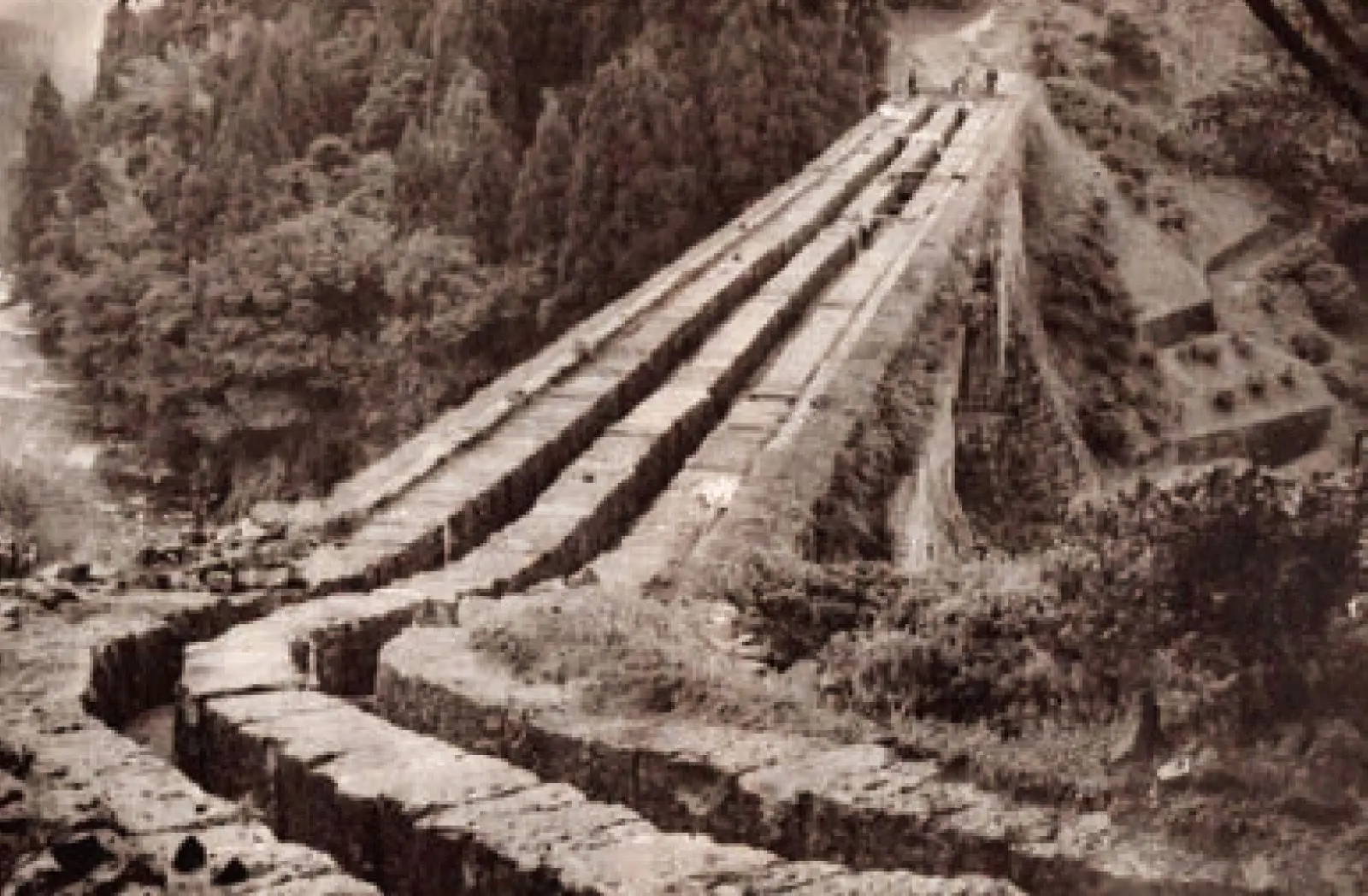
Photo by Ministry of Agriculture, Forestry and Fisheries – Full view of Tsujun Bridge and Fukiage Aqueduct at the time. 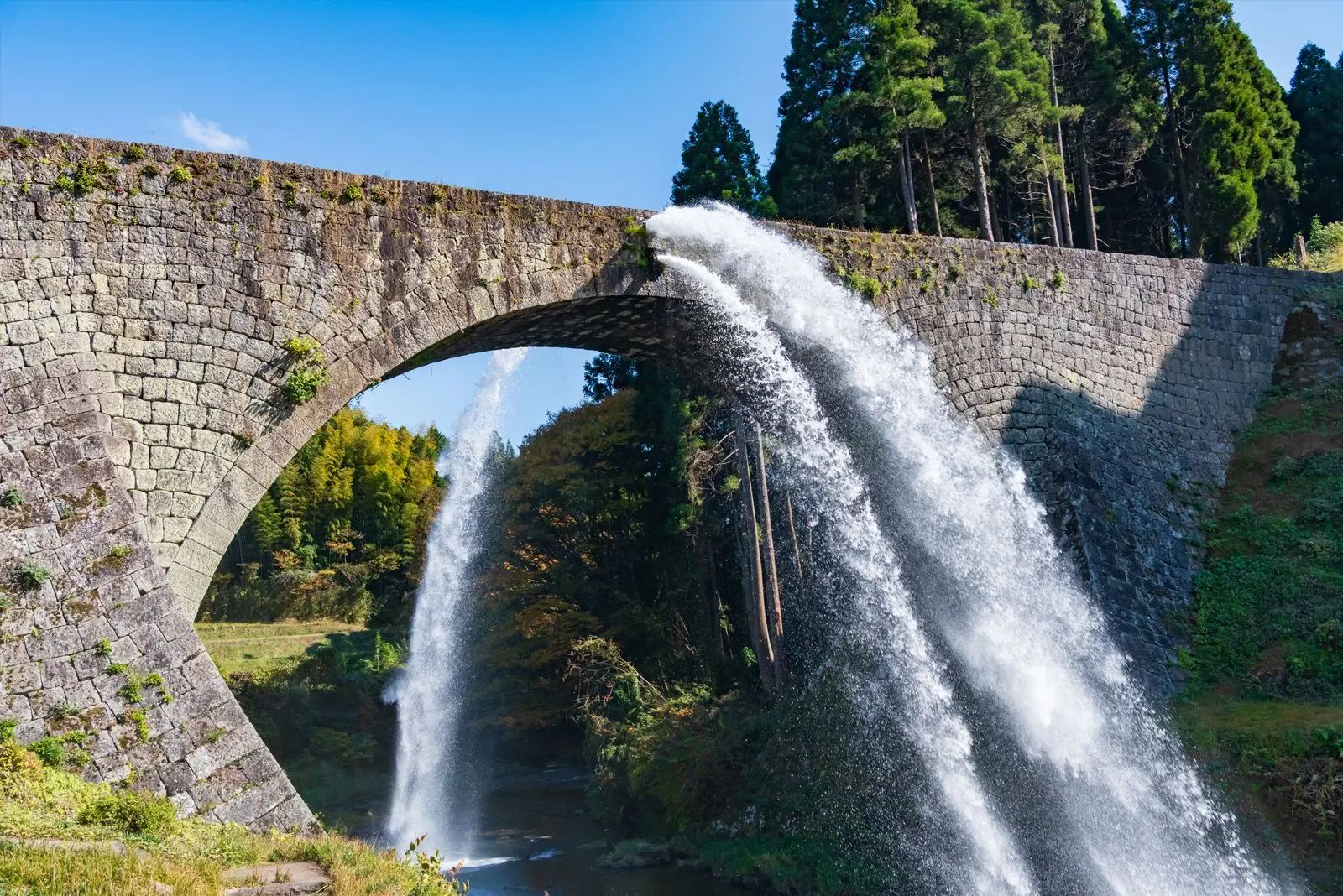
Photo by iStock - 通潤橋
3. Kannonzaki Lighthouse (Kanagawa)|156 Years Old – A Classic Western Lighthouse
First lit in 1869, Kannonzaki Lighthouse is one of Japan’s oldest Western-style lighthouses still in existence. Designed by French engineer Léonce Verny, it offers interior access and panoramic views over Tokyo Bay. Its pristine white structure makes it a favorite for both history buffs and architecture fans.
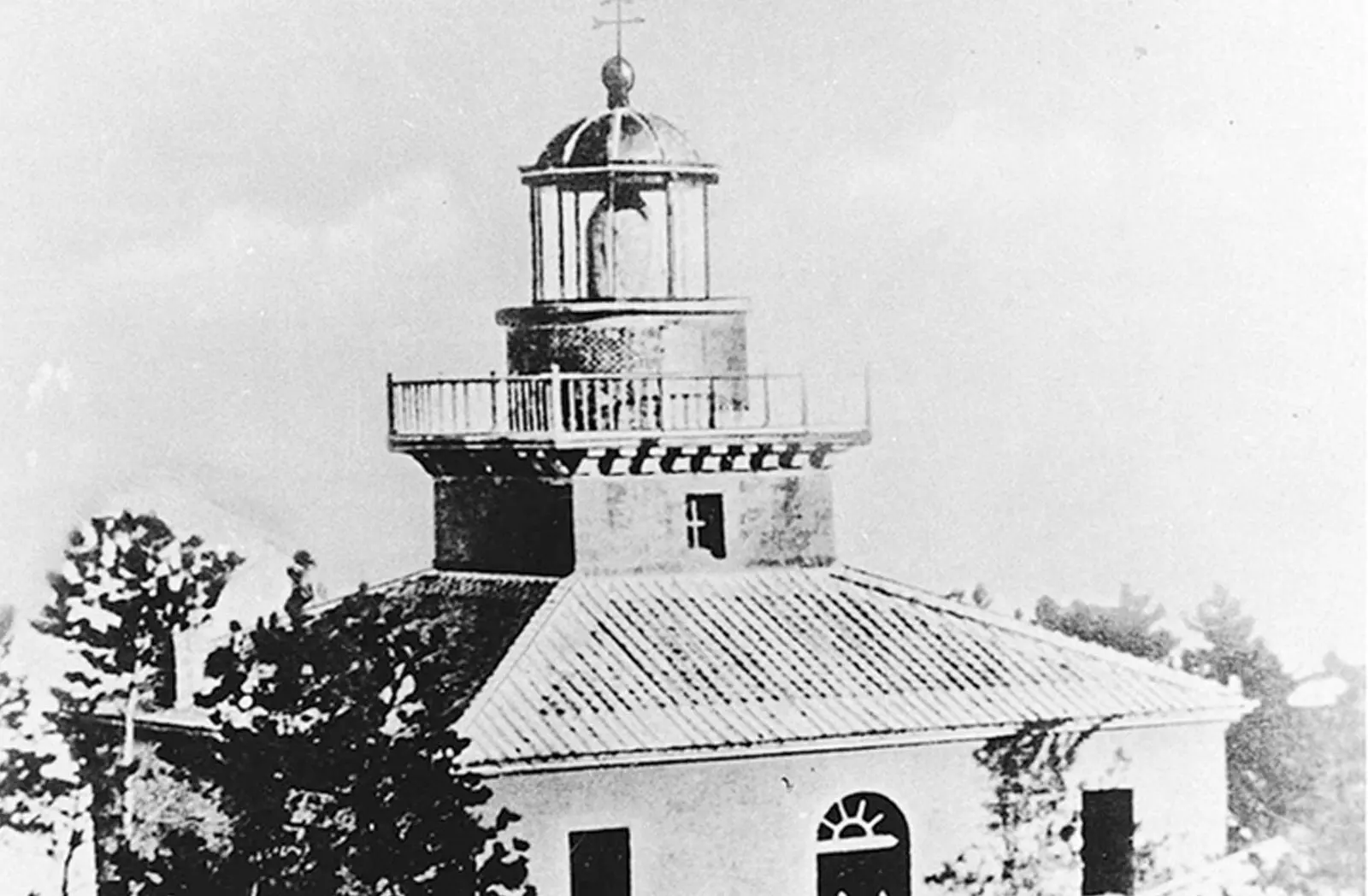
Photo by (Public Corporation) Lighthouse Association – The original Kannonzaki Lighthouse. 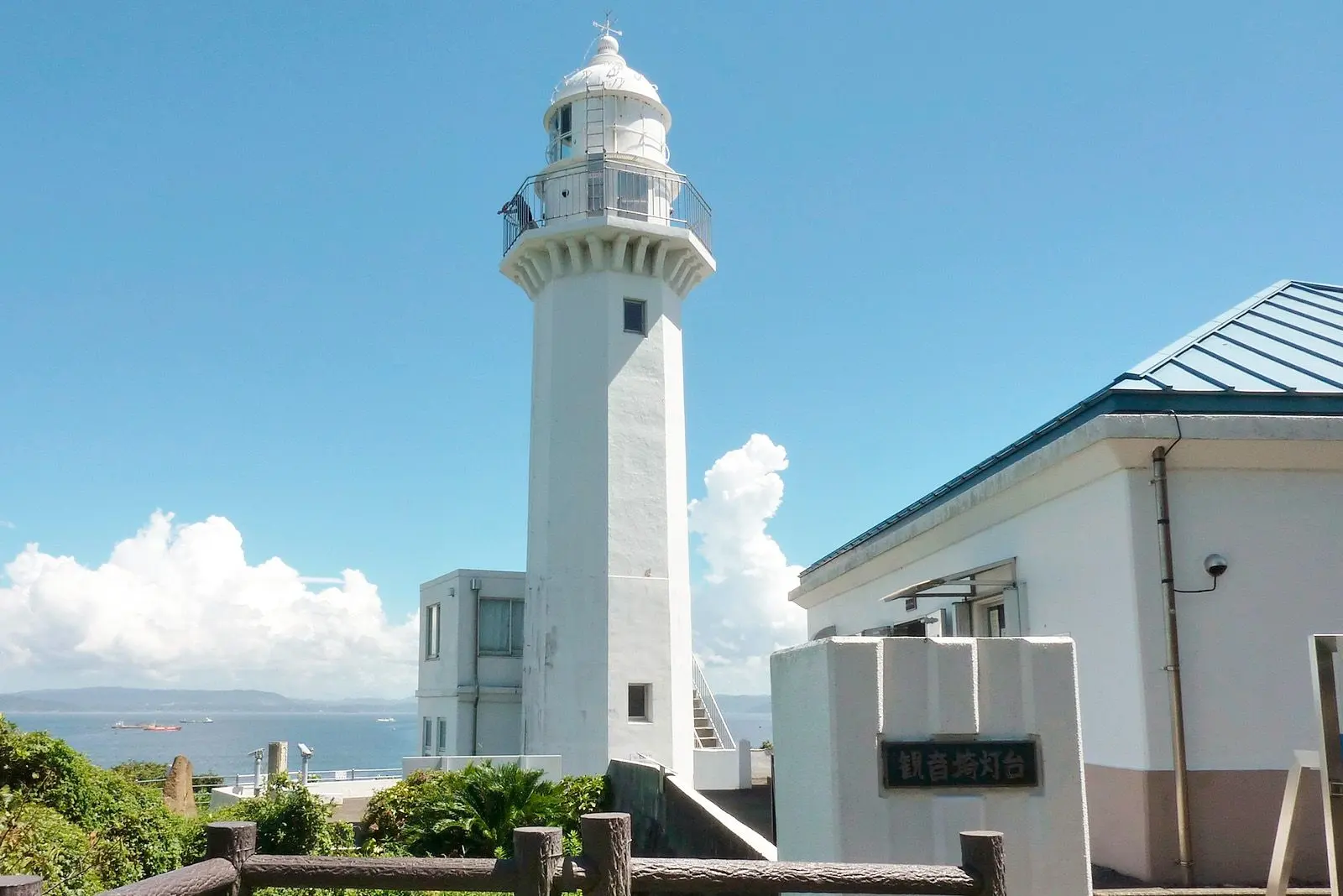
Photo by Alpsdake, Kannonzaki Lighthouse via Wikimedia Commons, CC BY-SA 3.0 || https://commons.wikimedia.org/wiki/File:Kannonzaki_Lighthouse.jpg
🌐 Kannonzaki Lighthouse – Yokosuka Tourism
4. Hanayashiki Amusement Park (Tokyo)|172 Years Old – Japan’s Oldest, Wildest Retro Park
Opened in 1853—the same year Commodore Perry arrived in Japan—Hanayashiki is still in operation in the heart of Asakusa. It’s home to the “world’s narrowest roller coaster,” an old-school haunted house, and quirky retro rides. The park is a time machine to Japan’s Showa era.
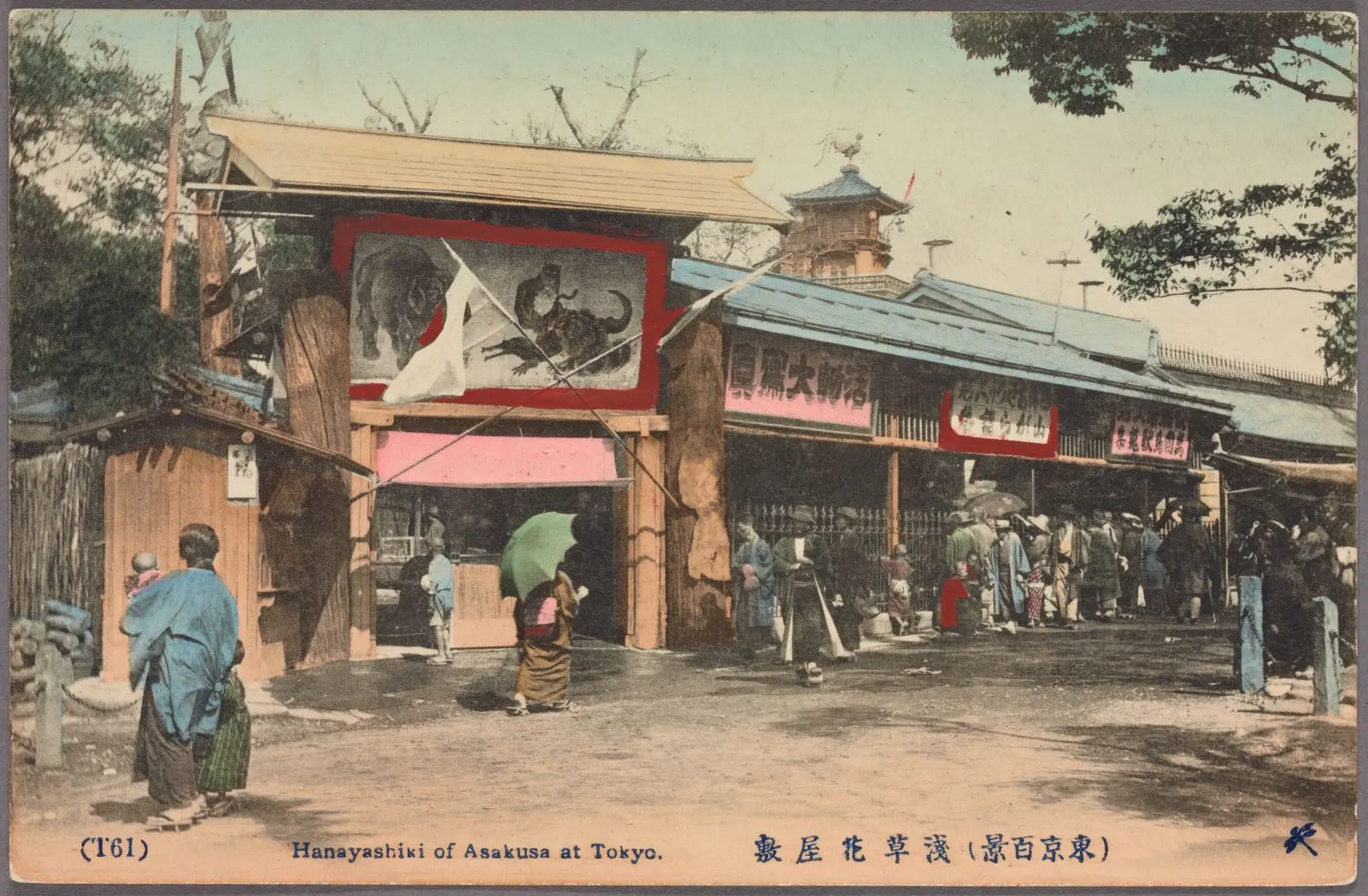
Photo courtesy of The New York Public Library Digital Collections, || https://digitalcollections.nypl.org/items/32f55d40-c5d2-012f-71e6-58d385a7bc34#/?uuid=c26322c6-3b40-69f1-e040-e00a18061651 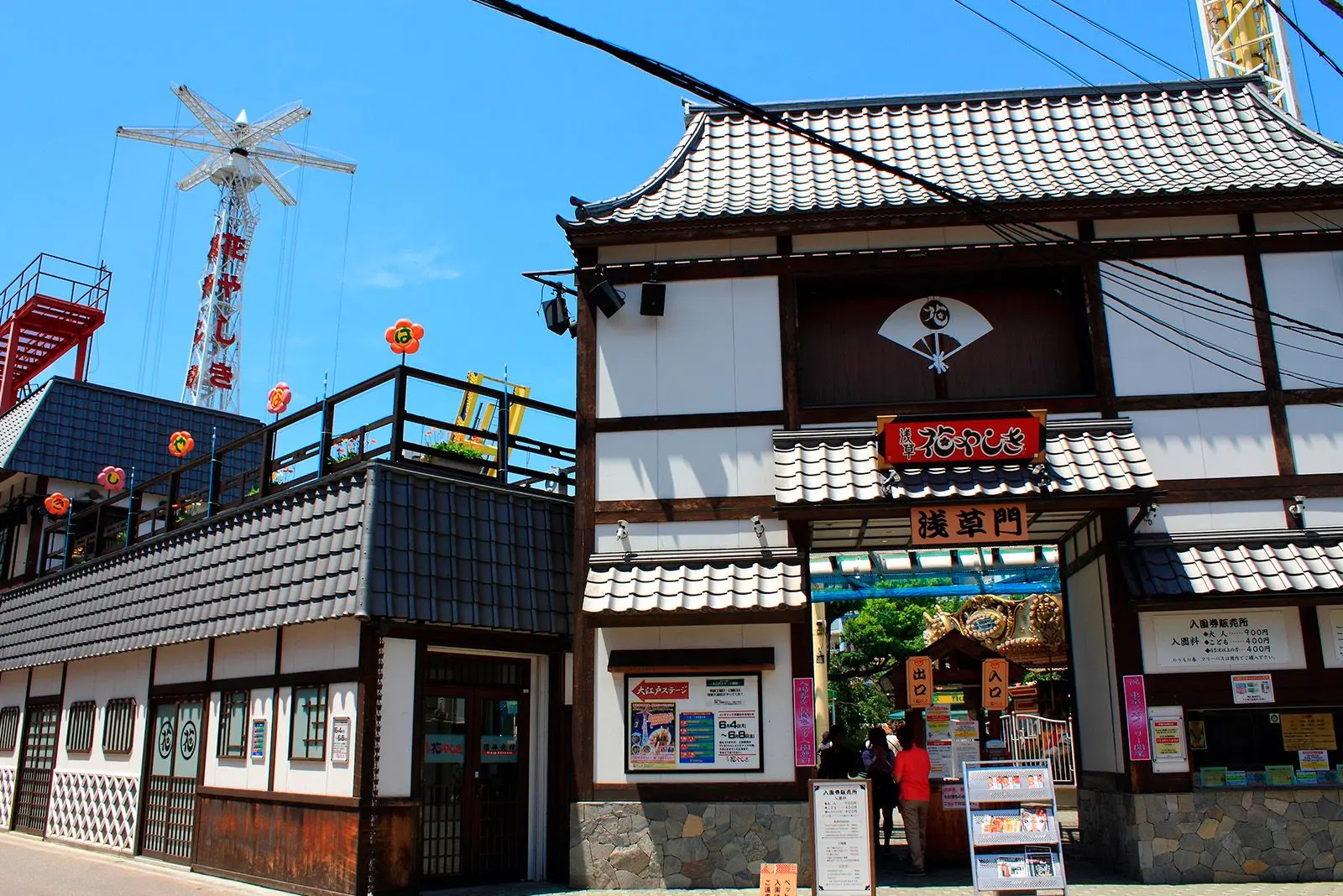
Photo by Wiiii, Asakusa Hanayashiki 2012 via Wikimedia Commons, CC BY 2.0 || https://commons.wikimedia.org/wiki/File:Asakusa_Hanayashiki_2012.JPG
5. Kimuraya Sohonten (Ginza, Tokyo)|156 Years Old – Birthplace of the Anpan
Founded in 1869, Kimuraya Sohonten is home to Japan’s original anpan—a sweet bun filled with red bean paste. Its unique sakadane (sake yeast) dough gives the bread a distinct flavor that’s hard to find anywhere else. Even Emperor Meiji was a fan.
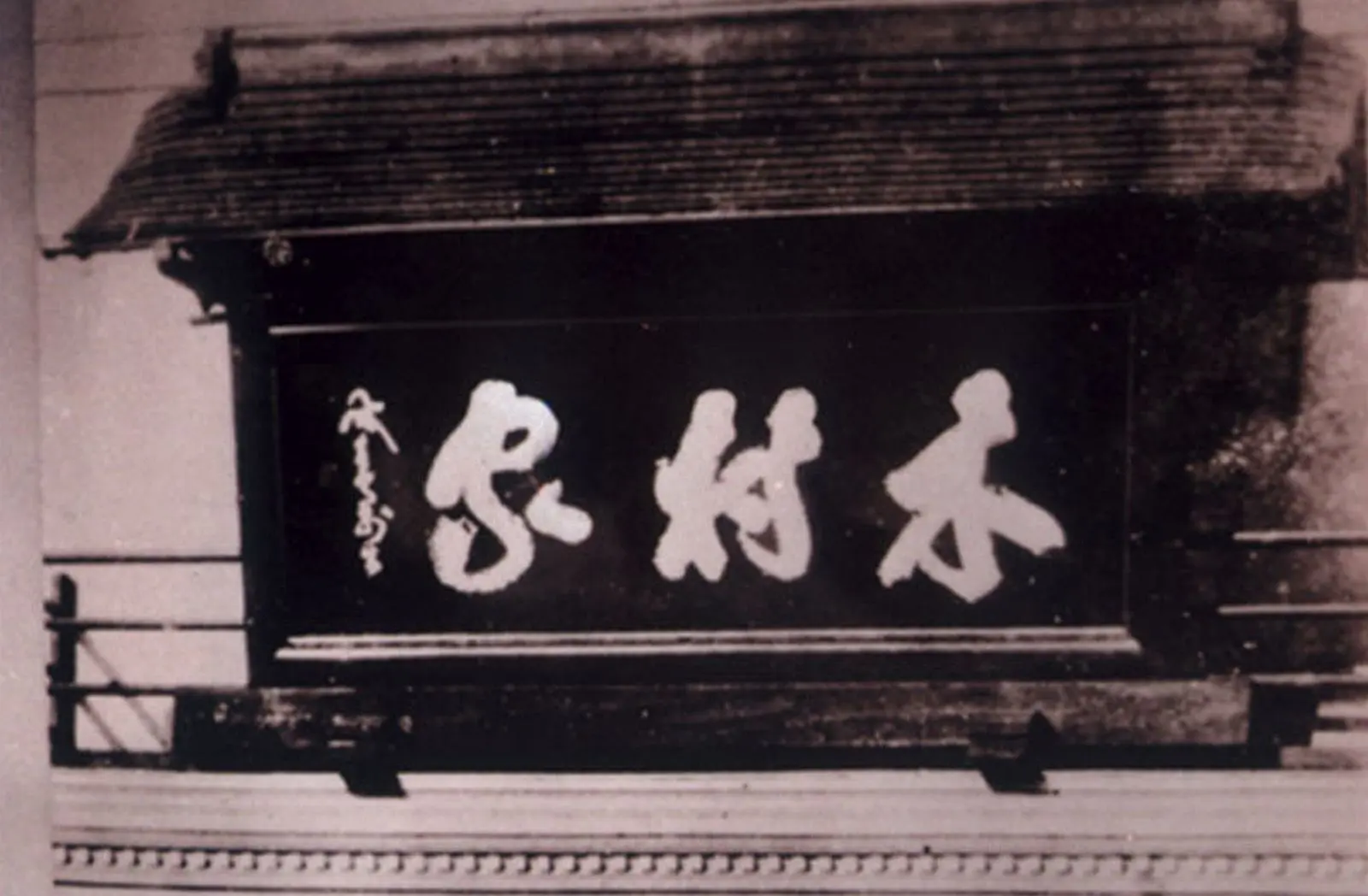
Photo by Kimuraya Sohonten – In 1875 (Meiji 8), Tesshu Yamaoka inscribed the large signboard bearing the name 'Kimuraya'. || https://www.kimuraya-sohonten.co.jp/corp/history 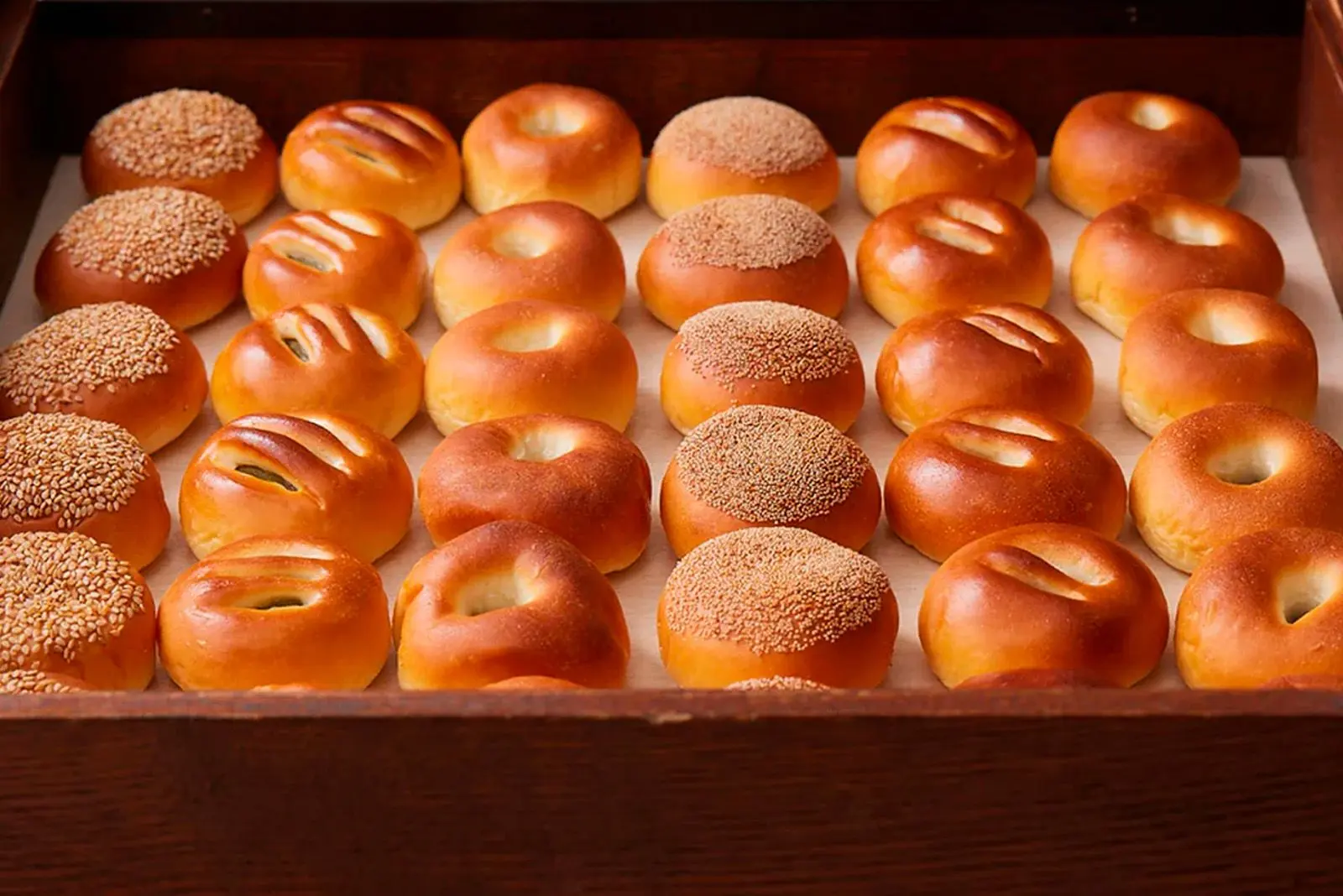
Photo by Kimuraya Sohonten – Sakadane Anpan || https://kimuraya-net.jp/collections/anpan
🌐 Kimuraya Sohonten Official Site
6. Sapporo Clock Tower (Hokkaido)|147 Years Old – Still Ticking in Wood
Built in 1878, the Sapporo Clock Tower is one of Japan’s oldest existing wooden clock towers. Originally part of a drill hall during the Hokkaido development era, it still rings out the hour today. While it once had the reputation of being a “letdown spot,” it’s now embraced as a lovable icon of the city.
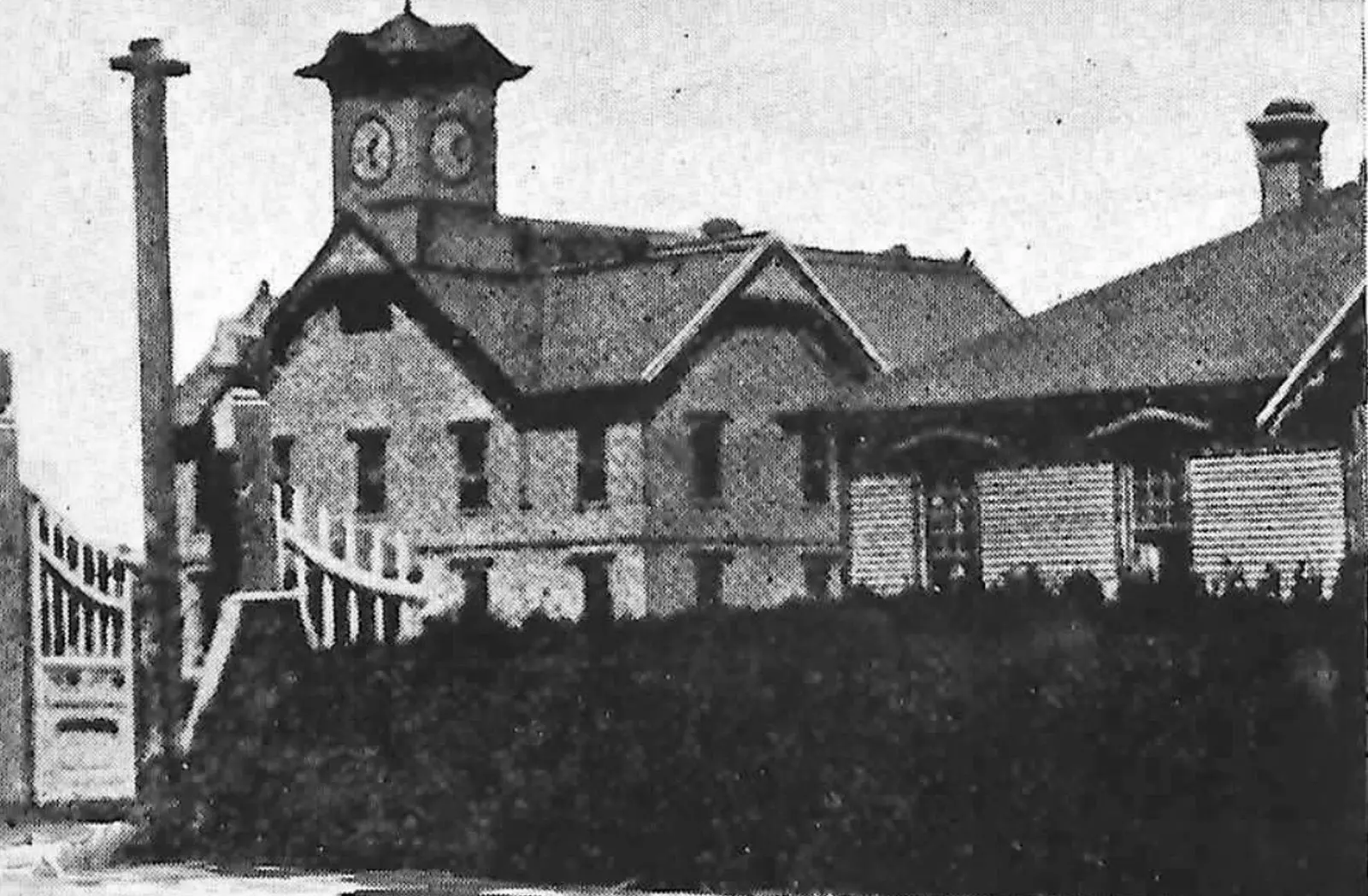
Circa 1881 – Sapporo Clock Tower. Photo from Clock Tower: Then and Now, published by the Sapporo City Board of Education. 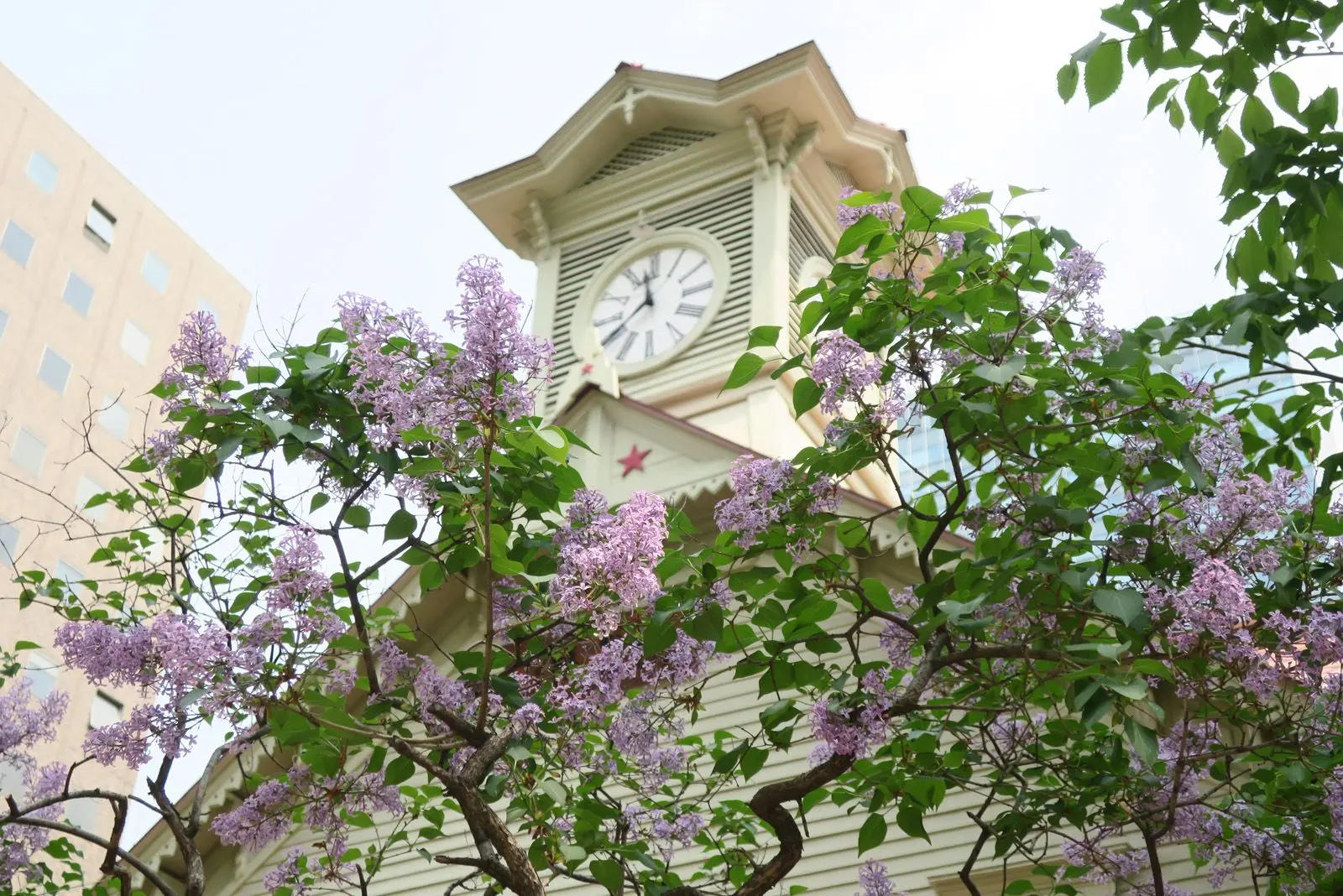
Photo by iStock
🌐 Sapporo Clock Tower Official Site
7. Uozu Aquarium (Toyama)|112 Years Old – Japan’s Oldest Operating Aquarium
Opened in 1913, Uozu Aquarium is the oldest still-functioning aquarium in Japan. From deep-sea fish of Toyama Bay to hands-on exhibits, the facility blends retro Showa atmosphere with local marine charm. It’s a cozy, family-friendly destination with serious history.
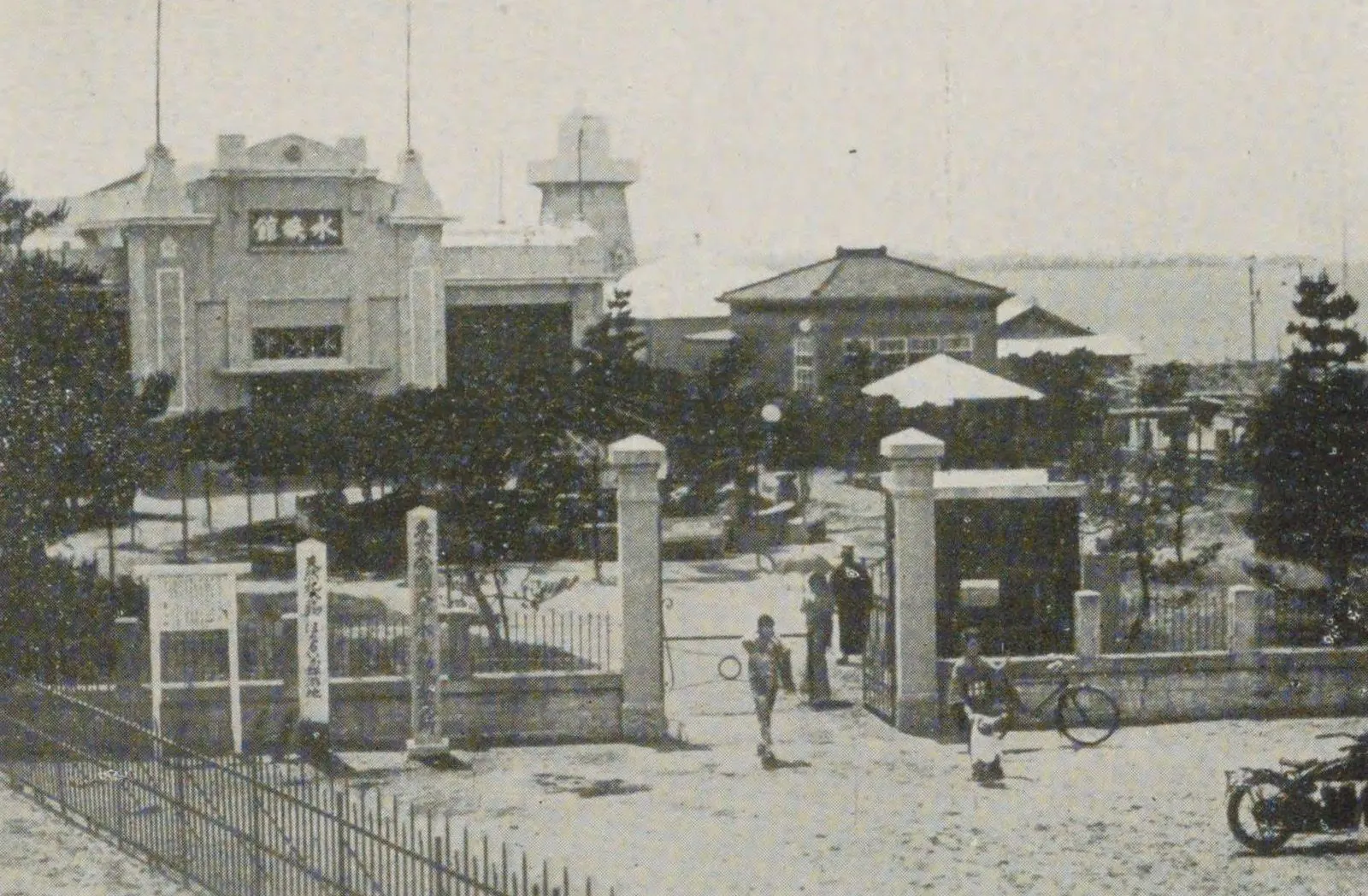
Photo by Shoichi Koga, 'Pre-war view of Uozu Aquarium, opened in 1913 (Taisho 2)', via Wikimedia Commons, CC BY-SA 4.0. || https://commons.wikimedia.org/wiki/File:%E6%88%A6%E5%89%8D%E3%81%AE%E9%AD%9A%E6%B4%A5%E6%B0%B4%E6%97%8F%E9%A4%A8.jpg 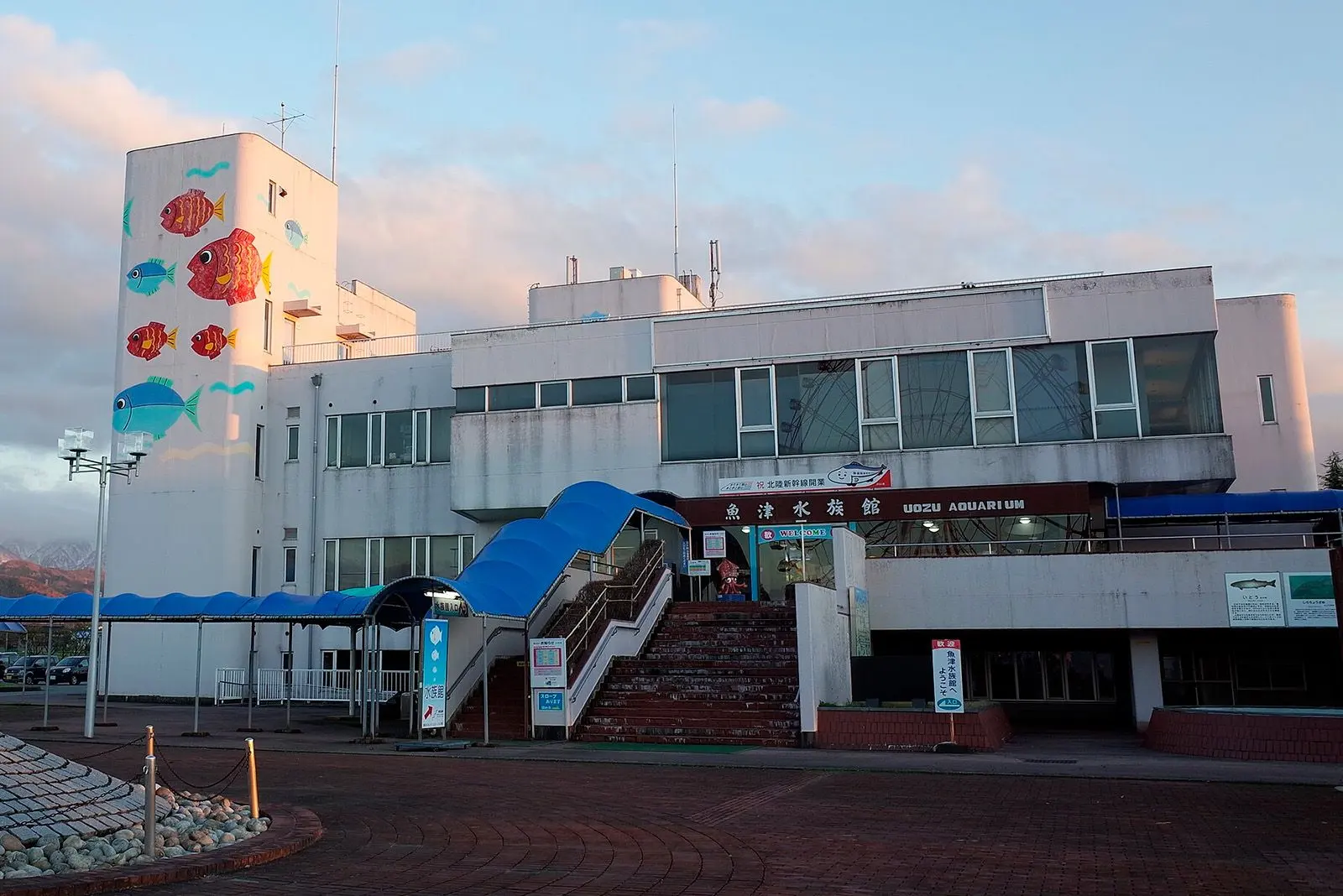
Photo by Taisyo, UOZU AQUARIUM via Wikimedia Commons, CC BY-SA 3.0 || https://commons.wikimedia.org/wiki/File:UOZU_AQUARIUM.jpg
8. Old Nagahama Station Building (Shiga)|143 Years Old – Japan’s Oldest Railway Station
Built in 1882, this brick-and-timber Western-style structure is the oldest surviving station building in Japan. Now repurposed as “Nagahama Railway Square,” the museum includes historical exhibits and a steam locomotive display. A treat for railway fans and vintage architecture lovers alike.
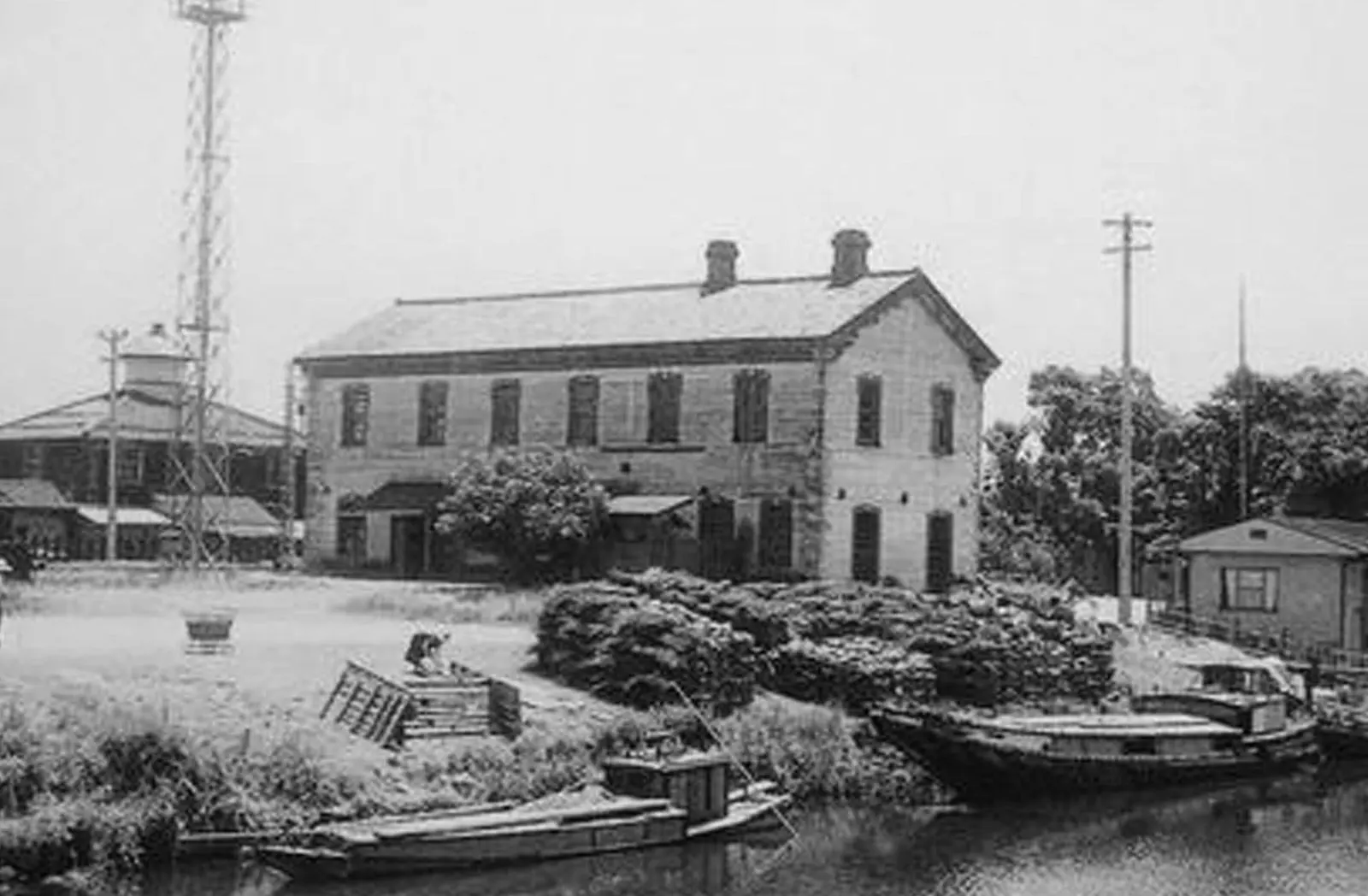
Photo by Old Nagahama Station (1958) – Courtesy of the Transportation Museum Collection. 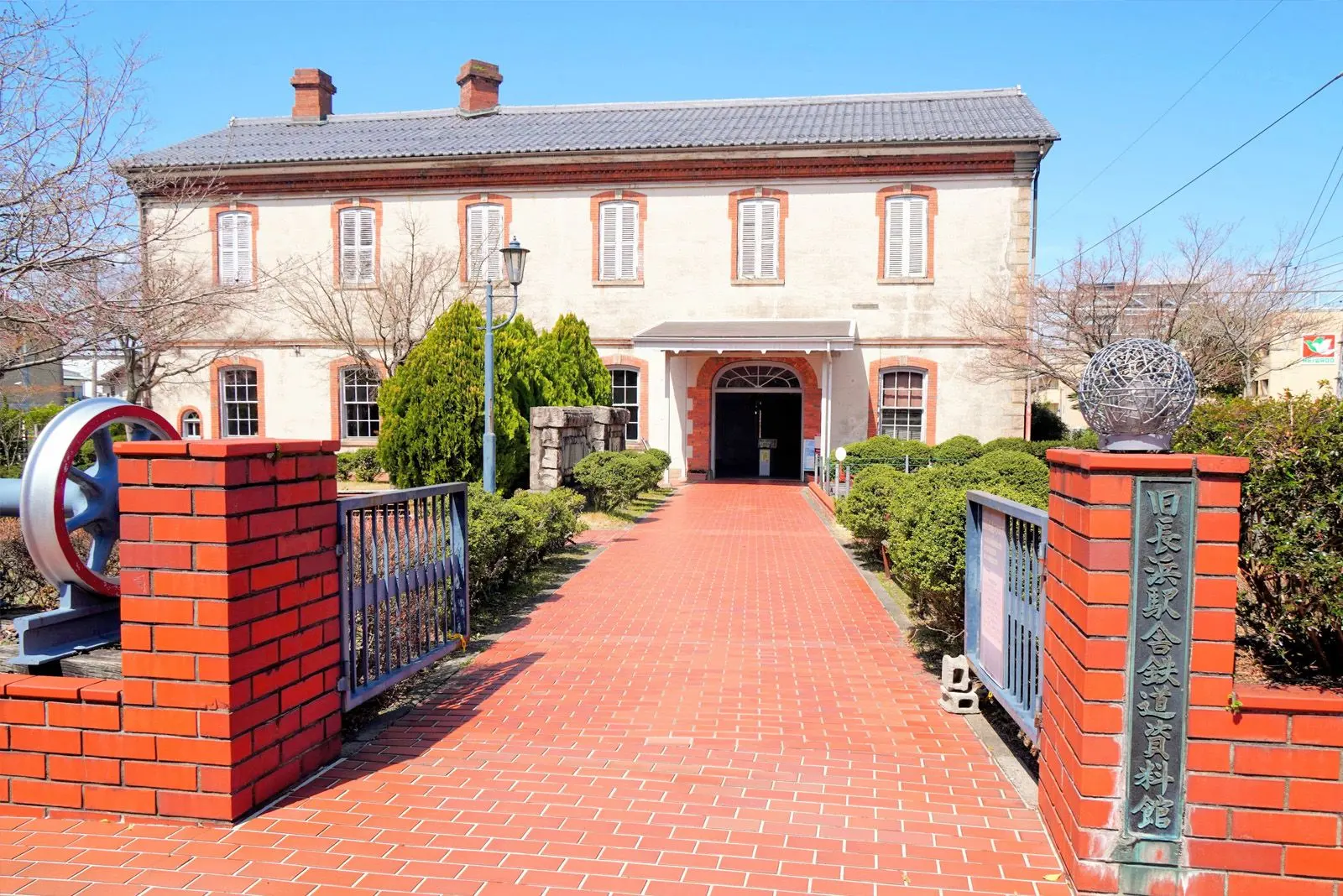
Photo by iStock
9. Inuyama Castle (Aichi)|488 Years Old – An Original Samurai Fortress
Constructed in 1537, Inuyama Castle is one of Japan’s oldest original surviving castles and designated a National Treasure. From the top floor of the keep, you’ll get a stunning view of the Kiso River and historic castle town below. Steep stairs and wooden interiors give an unfiltered taste of Sengoku-era life.
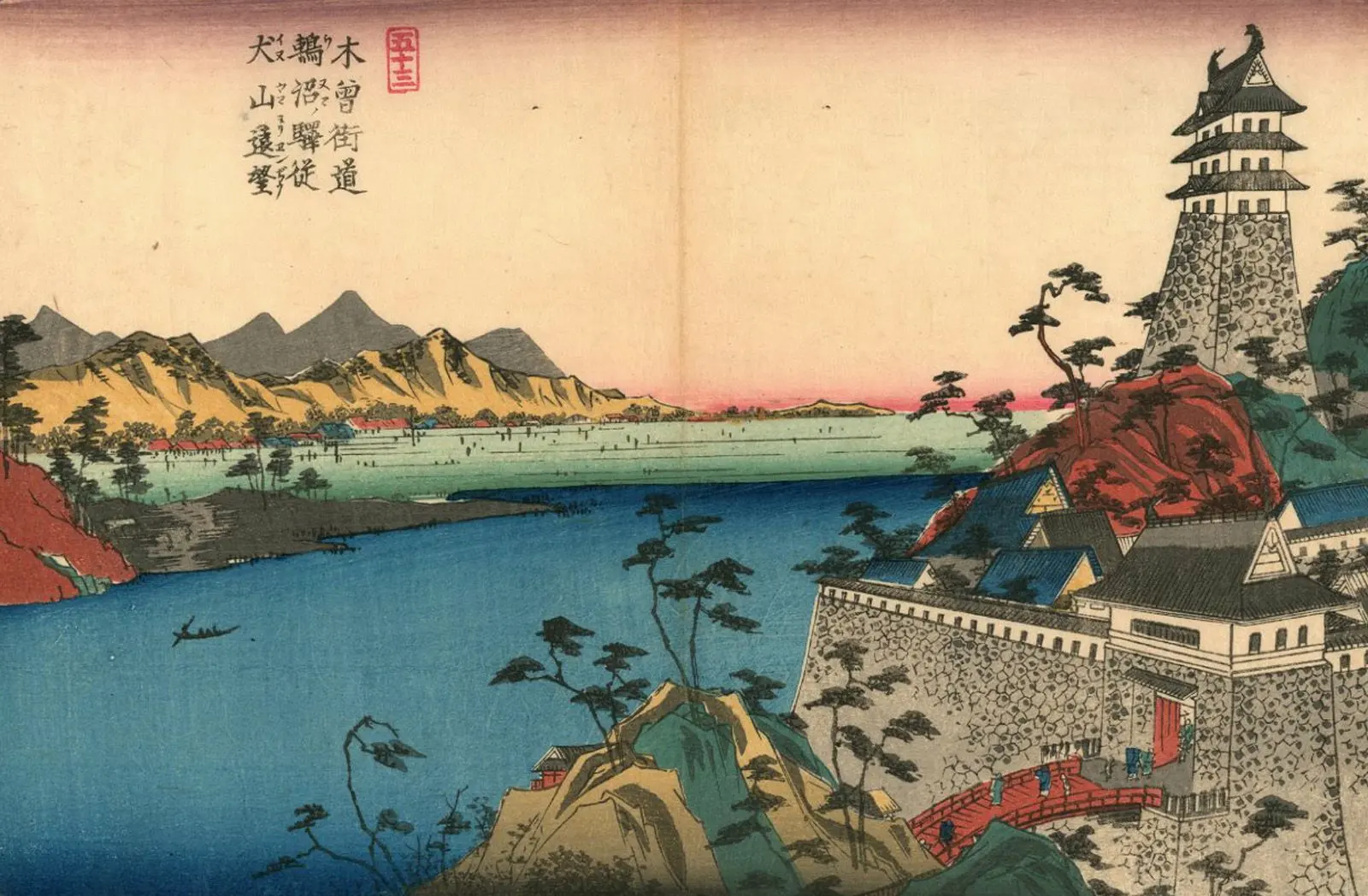
Photo from the Collection of Gifu City Museum of History. 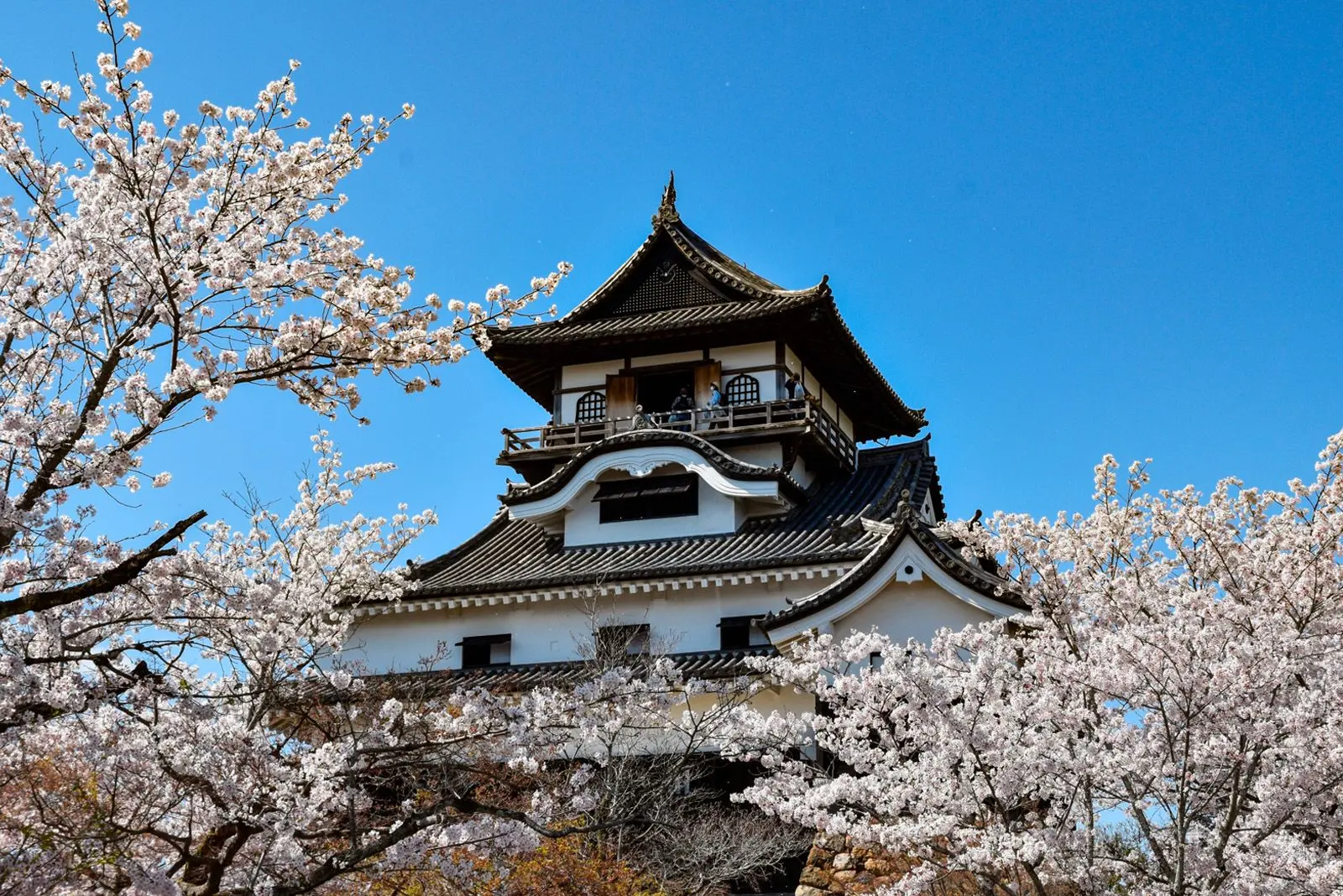
Photo by photoAC
🌐 Inuyama Castle Official Site
10. Fujiya Hotel Main Building (Hakone, Kanagawa)|147 Years Old – A Meiji-Era Luxury Escape
Founded in 1878, the Fujiya Hotel is a living museum of Meiji-era resort culture. With interiors that fuse Japanese and Western architecture, the hotel offers guided tours as well as overnight stays. A favorite of writers and foreign dignitaries alike, this historic building lets you taste the original luxury travel of old Japan.
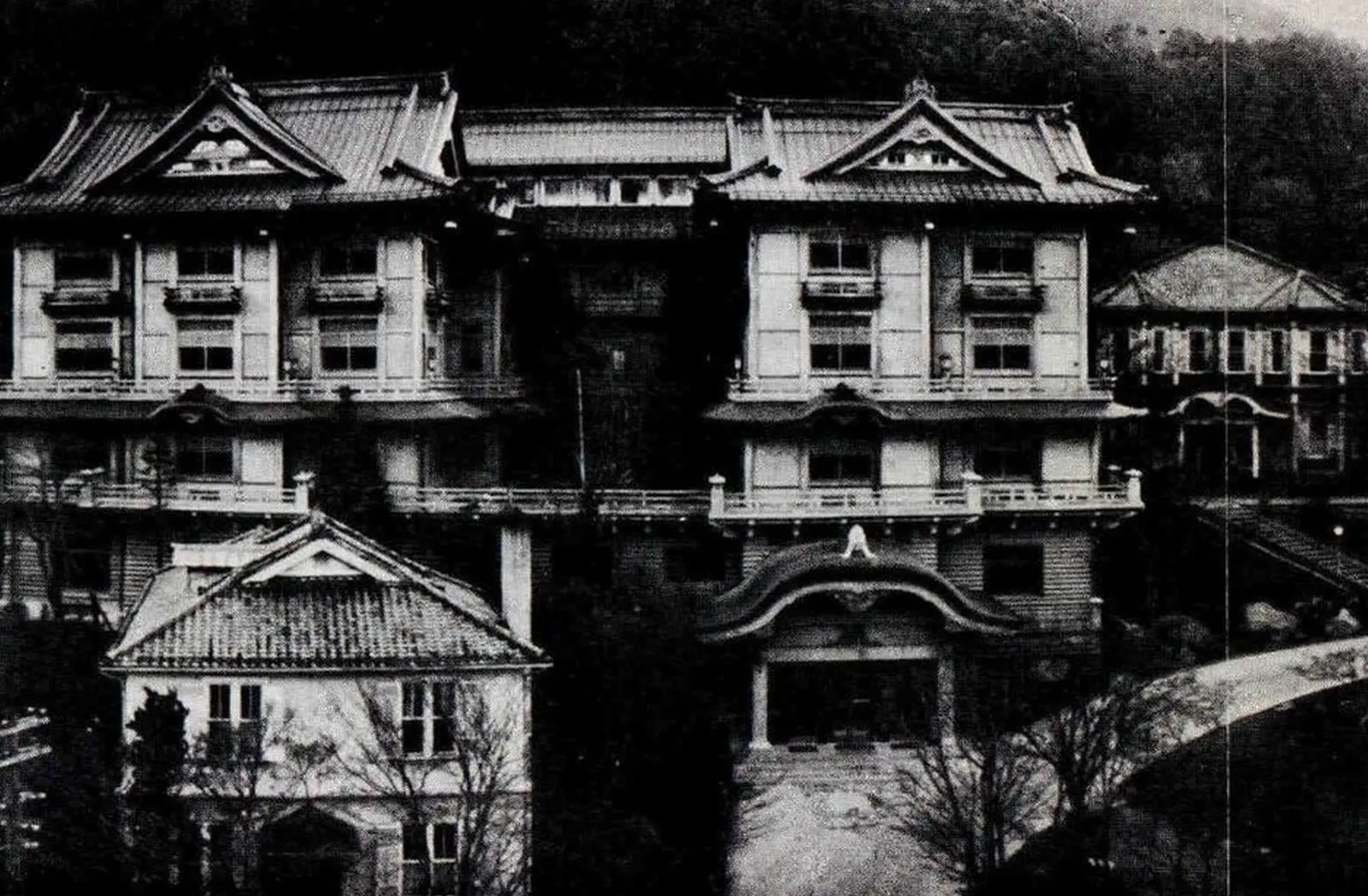
Image from Fujiya Hotel: Sixty-Year History (1959), via National Diet Library / Wikimedia Commons (Public Domain) || https://commons.wikimedia.org/w/index.php?title=File:CNTS-00047722504_%E5%AF%8C%E5%A3%AB%E5%B1%8B%E3%83%9B%E3%83%86%E3%83%AB%E5%85%AD%E5%8D%81%E5%B9%B4%E5%8F%B2.pdf&page=6 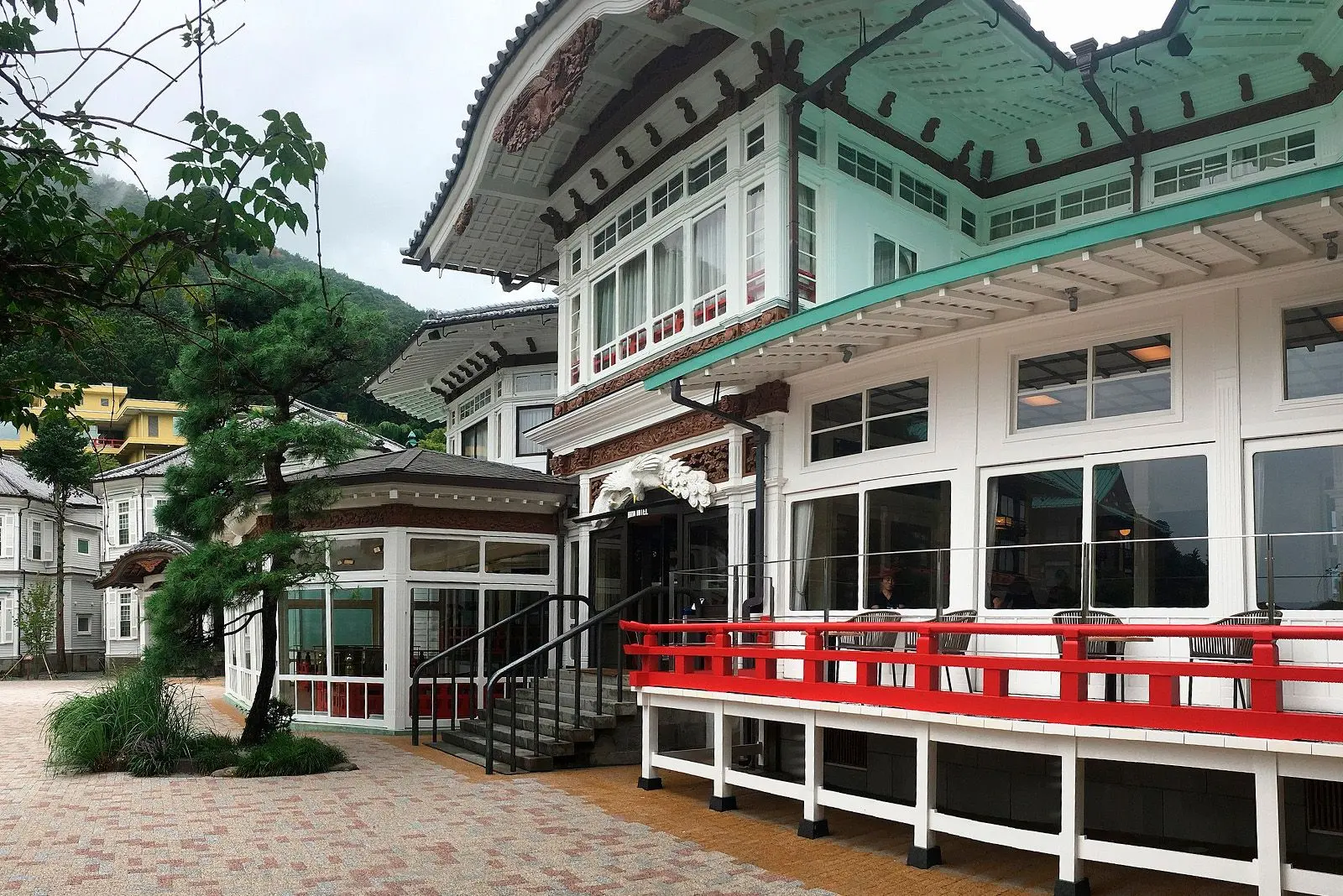
Photo by N509FZ, Fujiya Hotel - Aug 28 2020 via Wikimedia Commons, CC BY-SA 4.0 || https://commons.wikimedia.org/wiki/File:Fujiya_Hotel_-_Aug_28_2020_-_various_12_51_23_222000.jpeg
RAW JAPAN Comment
Everyone’s chasing the newest and flashiest experiences—but there’s something irresistible about places that are still standing, still running, after more than a century (or five).
These “living fossils” aren’t just about history—they’re about stepping into it.
So why not take a break from the latest trends and meet the oldest legends Japan has to offer?
Curated by RAW JAPAN, based on official sites, local governments, and Wikipedia.

Obsessed with Japan’s quirks, and a father of two. I hunt for those subtle, “wait, what?” moments that hide in everyday life.