
More Than the 'Suicide Forest' — Aokigahara, the Forest of Life a Volcano Built
More Than the "Suicide Forest" — Aokigahara, the Forest of Life a Volcano Built
"Compasses stop working." "Once you walk in, you never walk out."
That is what most people have heard about Aokigahara, the sprawling forest at the foot of Mt. Fuji — a haunted maze, and the place the internet infamously named the "Suicide Forest".
But walk it for real, and you find a place far too rich to be reduced to a horror story. A landscape created by a volcanic eruption, a thousand years of faith, an image manufactured by literature and media, moss-covered primeval woods and caves full of ice. Aokigahara layers "death" and "life" on top of each other like almost nowhere else in Japan.
In this article we tour the forest's real face — and fact-check the urban legends along the way.
A Forest That Is Still Practically a Newborn
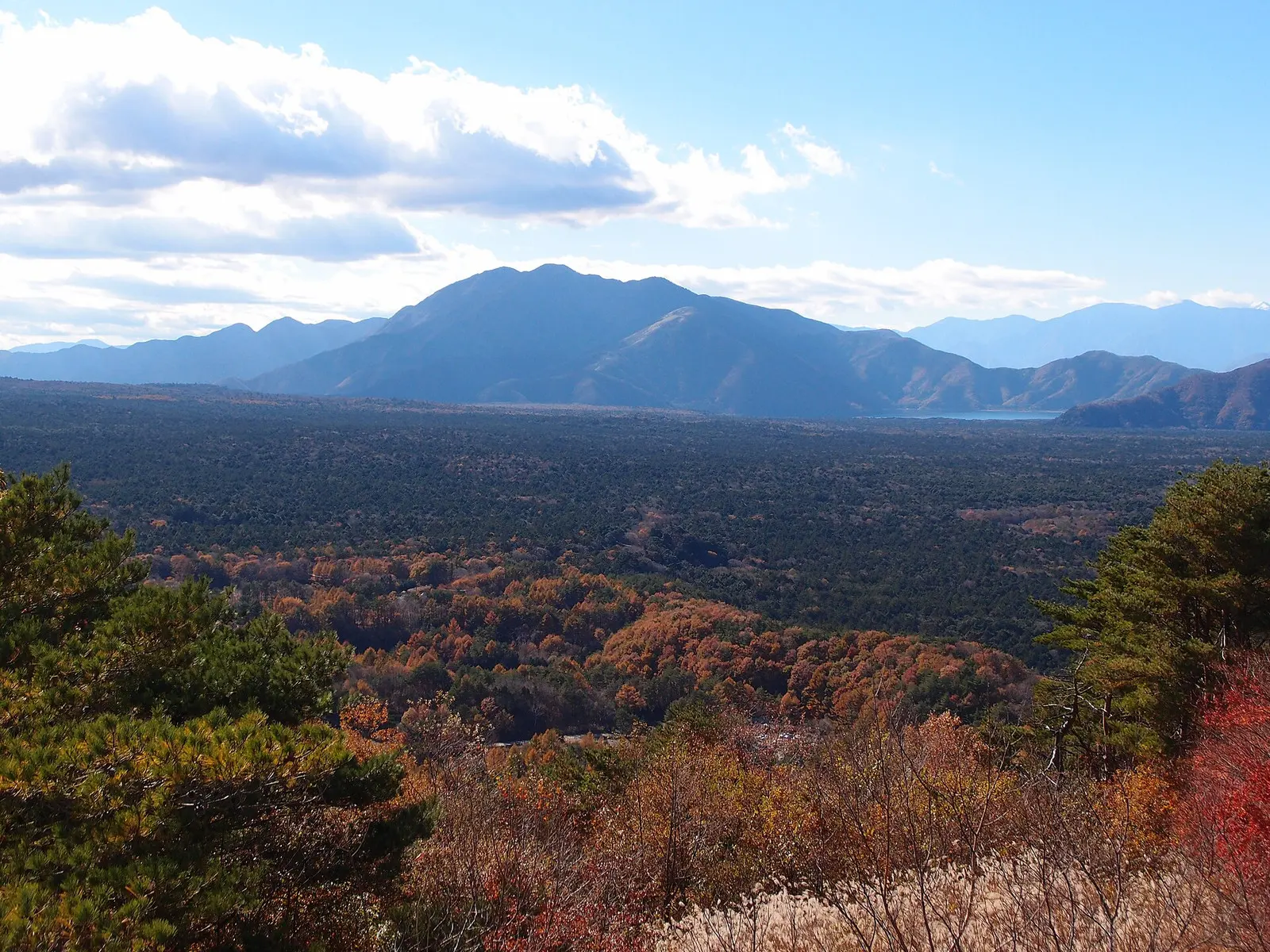
Photo by Guilhem Vellut / Wikimedia Commons (CC BY 2.0)
Aokigahara was born in the year 864, when Mt. Fuji's great Jogan eruption sent rivers of lava across its northwestern foothills. Everything started there.
On top of the hardened lava, moss crept in, trees took root, and over a thousand years the forest assembled itself. Which means Aokigahara is not an ancient forest like Yakushima or the Amazon — on a geological clock, it is practically a newborn.
Seen from above, the treetops are strangely even in height, like a green ocean. That is where the name "Jukai" — the Sea of Trees — comes from. Underfoot, the ground is still bare lava, and the trees cling to its cracks instead of soil.
Fact-Check: Do Compasses Really Go Crazy?
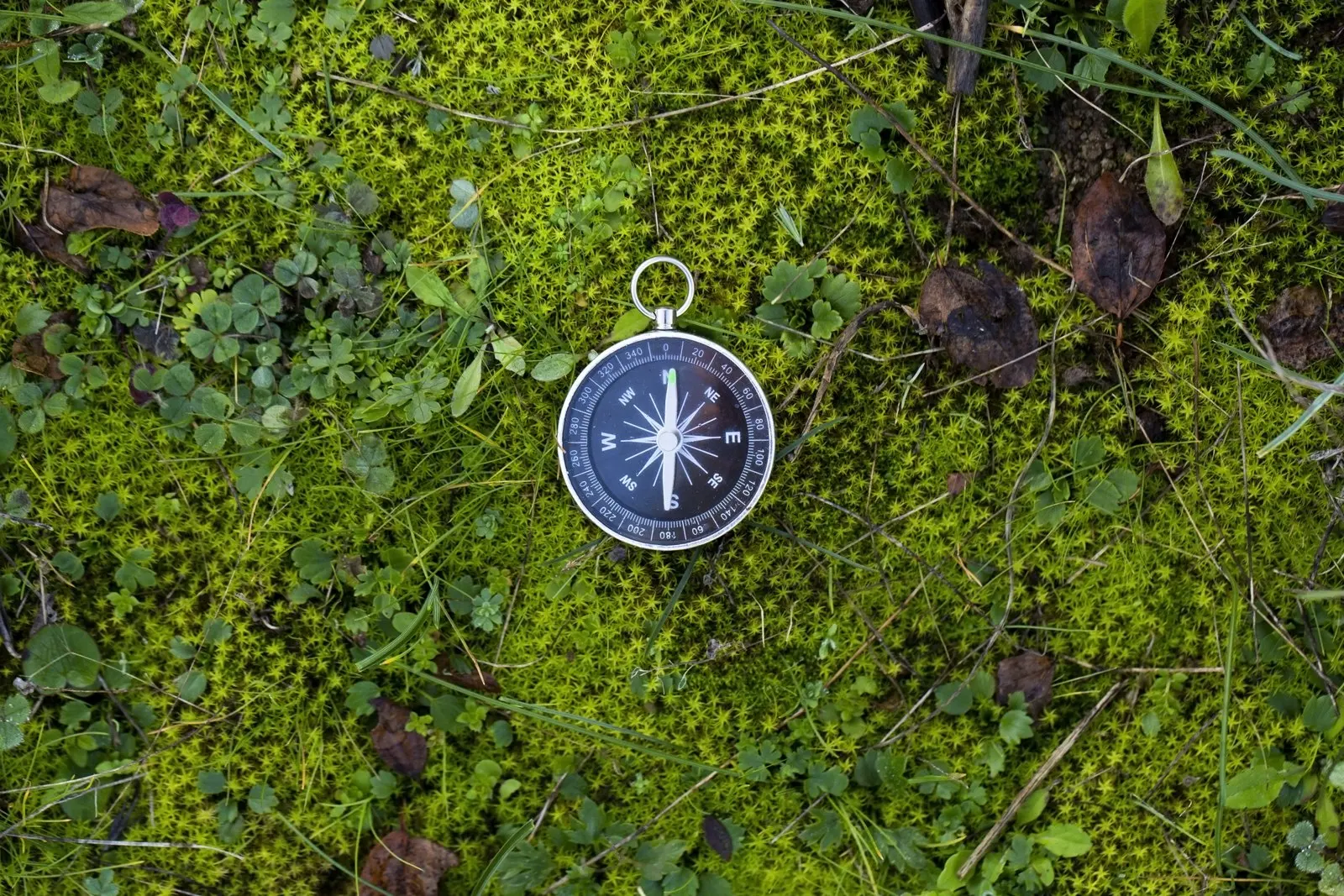
Photo by Mvltcelik / iStock
So, the famous rumor: "compasses break in Aokigahara and you can never find your way out."
Half true, half false. The lava here contains magnetite, so if you place a compass directly on the ground, the needle can swing. Held in your hand, however, it works mostly fine — and smartphone GPS works too. The "forest where all electronics die" is pure urban legend.
Does that make it safe? Not quite — and this is the genuinely eerie part. The real risk is not magnetism but the scenery. Everywhere you look: the same trees, the same lava bumps, no landmarks. Step off the trail, and your sense of direction evaporates surprisingly fast.
Verdict: the compass does not go crazy — human senses do. On the maintained trails, Aokigahara is a comfortable, safe walk. Off them, it is genuinely dangerous. That is the forest in one sentence.
It Was a Forest of Prayer First
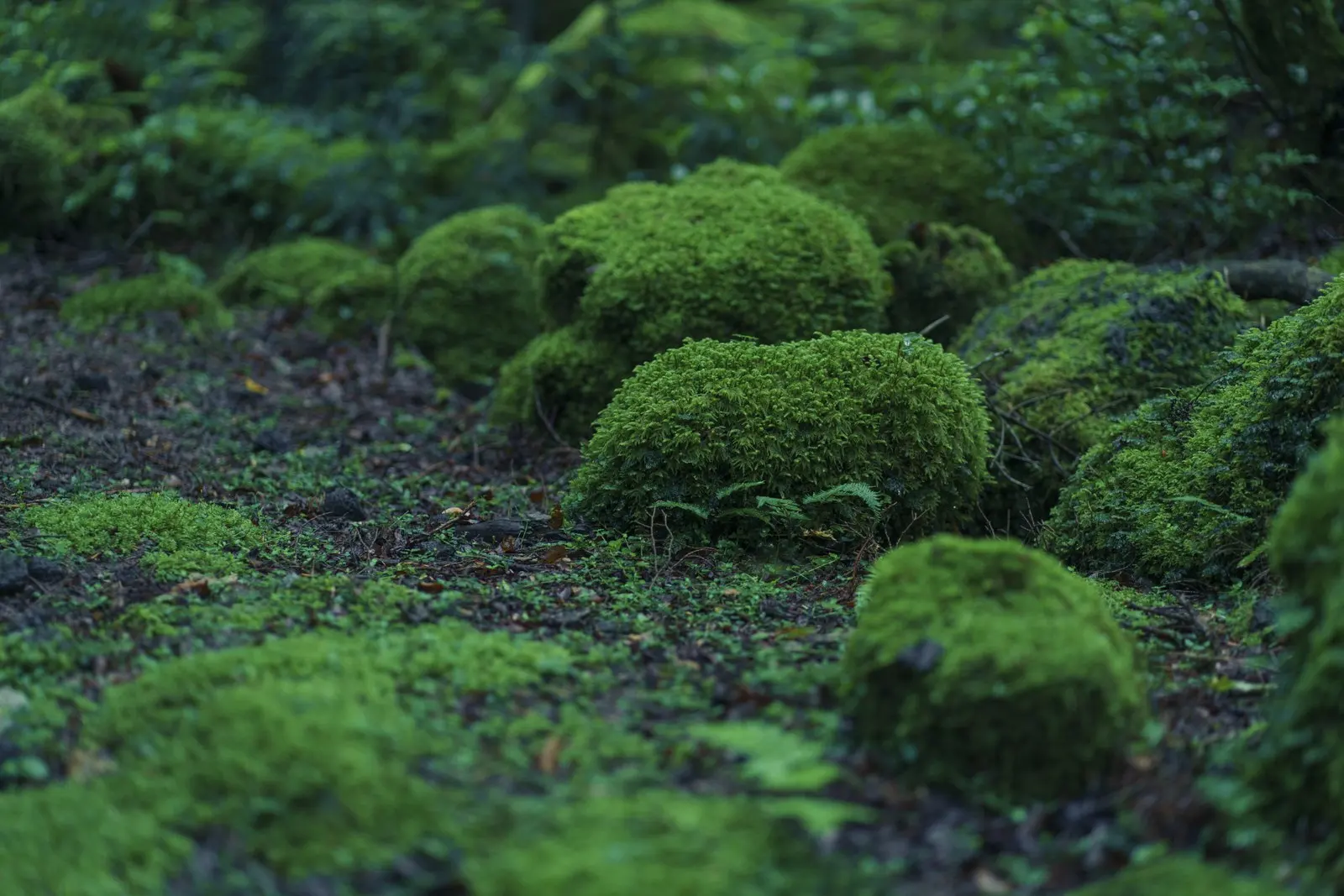
Photo by Kunihito Ikeda / iStock
Mt. Fuji has been worshipped as a sacred mountain since antiquity, and the forest at its foot was treated as holy ground — not a place to enter lightly.
Scattered around the forest are "lava tree molds", hollows formed when trees were engulfed by the lava flow. The most famous, Funatsu Tainai Jukei, was a pilgrimage site where Fuji worshippers crawled through the womb-like tunnels praying for rebirth. The forest now framed as horror content has roots in prayer and renewal.
How the "Suicide Forest" Was Manufactured
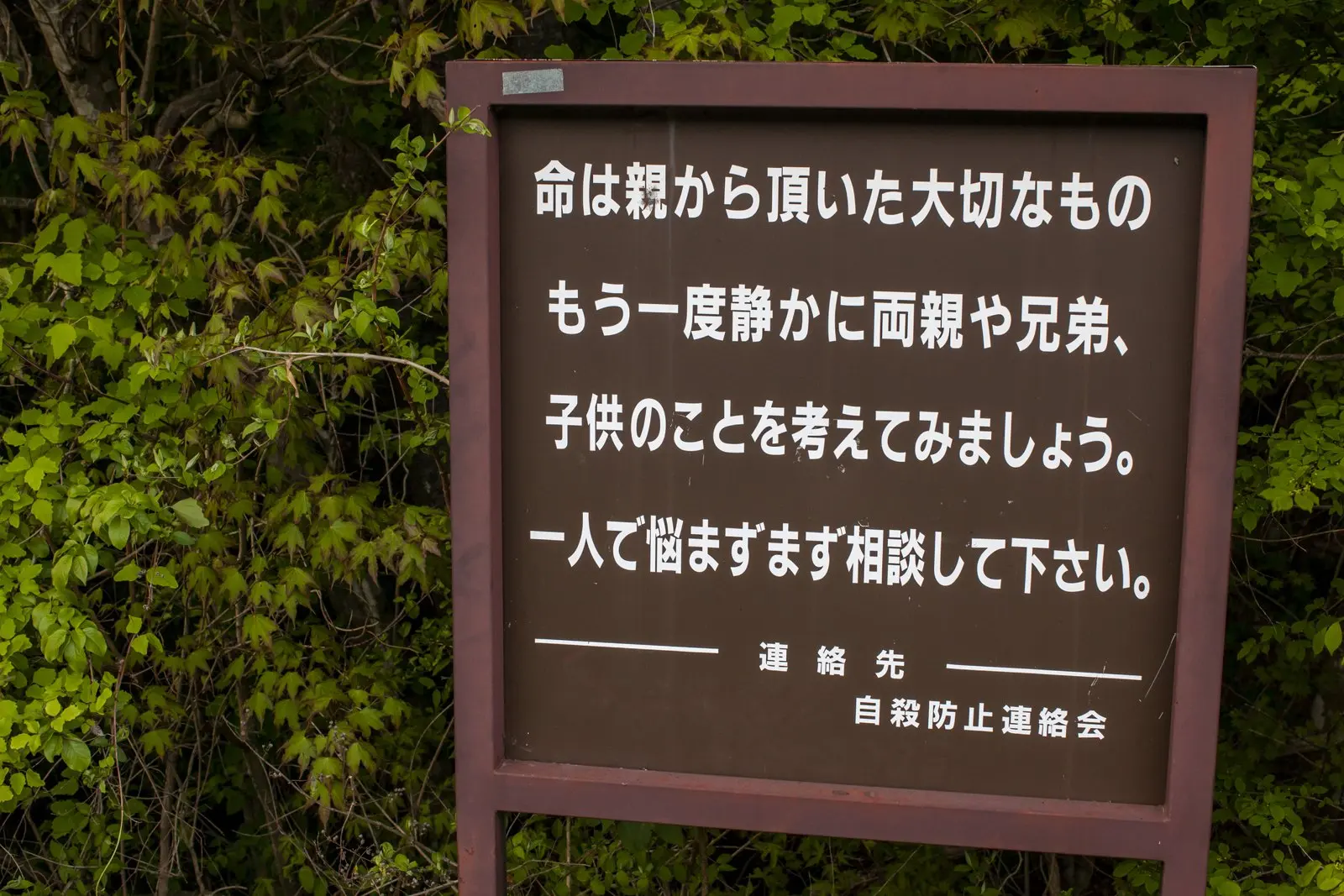
Photo via iStock
So how did it become "the Suicide Forest"? The culprit is not the forest. It is media.
The decisive moment came in 1960 with Seicho Matsumoto's novel "Nami no To" (Tower of Waves), whose heroine walks into Aokigahara in the final scene. The image of the forest as a place of endings stuck. Through the 1970s, magazines and guidebooks repeated the "famous suicide spot" framing until it took on a life of its own.
Foreign media eventually picked up "Suicide Forest", and in 2018 a famous YouTuber caused global outrage with a video filmed here. Meanwhile, the actual forest hosts huge numbers of ordinary tourists — families eating ice cream in line for the caves. Once you see that gap, you see how manufactured the image really is.
A Laboratory for Scientists, a Refrigerator for Locals
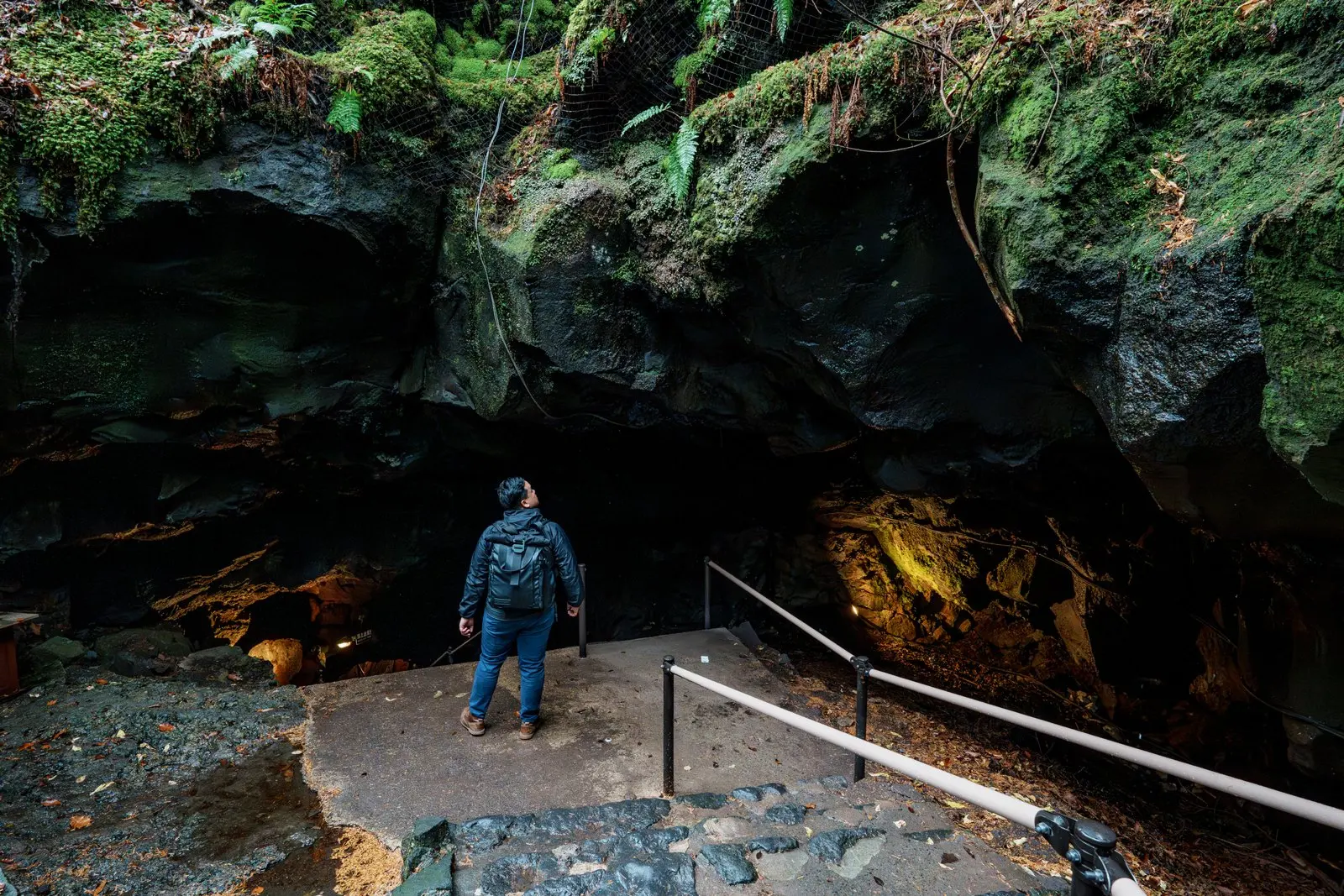
Photo via iStock
For researchers, Aokigahara is a treasure. Its lava caves preserve traces of climate change going back to the ice ages, and the slow rebirth of a forest on bare lava is a living textbook of ecology.
For locals, the caves were tools. Inside Fugaku Wind Cave and Narusawa Ice Cave it stays around 0–3°C even in summer. Before refrigerators existed, these were natural cold-storage rooms — and by preserving silkworm eggs, they quietly supported Japan's silk industry. The tourist attraction you queue for today was once cutting-edge infrastructure.
Visiting Today: How to Walk the Forest of Life
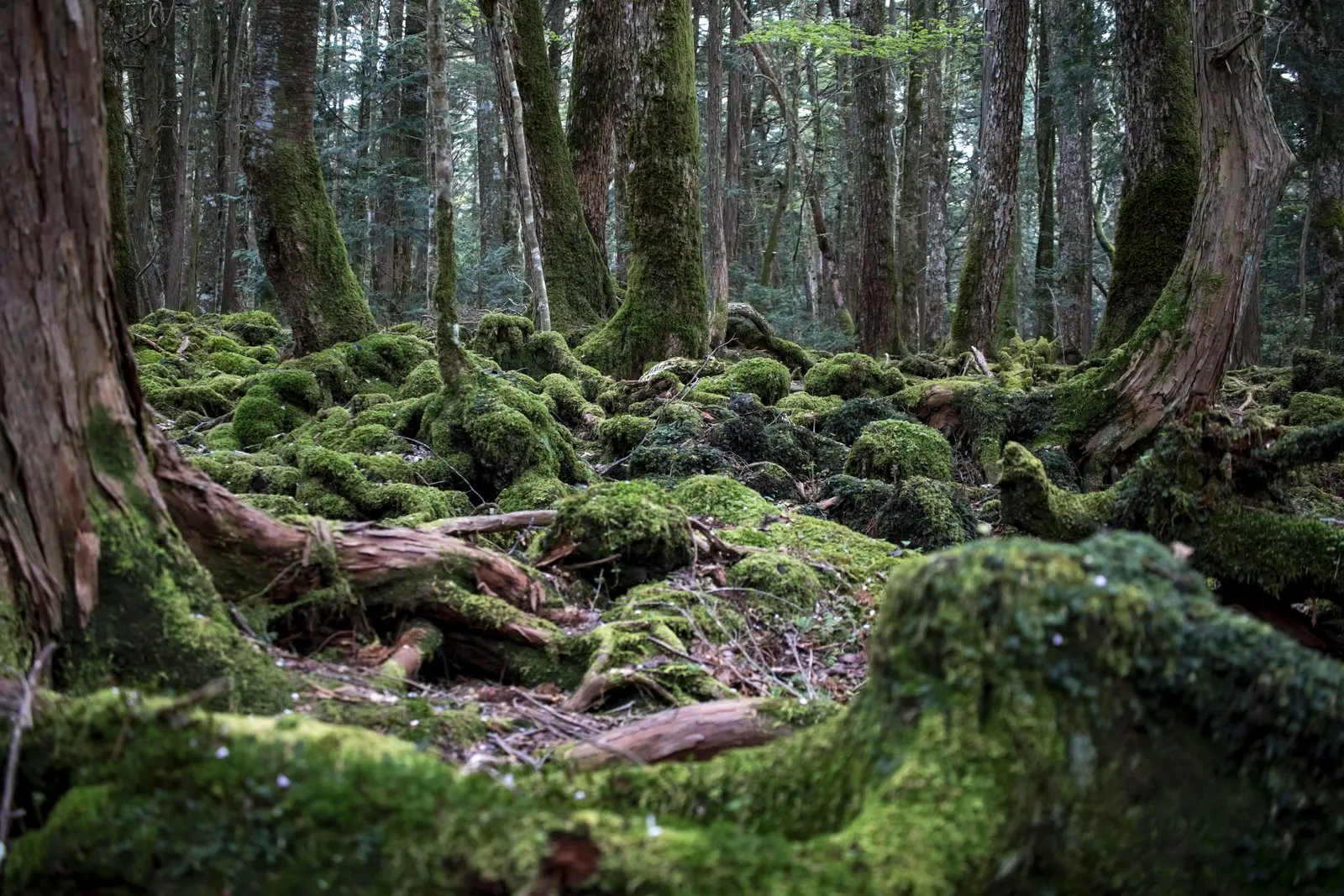
Photo via iStock
Today's Aokigahara is slowly rebranding itself as an eco-tourism destination: guided "moss walks", birdwatching for warblers and goldcrests, and cave adventures where ice survives all summer. The "forest of life" is far richer than its reputation.
The rules for walking it are simple:
- Stay on the marked trails (this alone changes everything about safety)
- Caves hover around 0°C even in midsummer — bring a jacket and non-slip shoes
- The lava ground is uneven; leave the sandals at home
- No late-night "test of courage" visits. It disrespects the forest and the people who live nearby
Access
- Train + bus: about 30 minutes by Saiko sightseeing bus from Kawaguchiko Station (Fujikyu Line)
- Car: about 20 minutes from the Kawaguchiko IC on the Chuo Expressway
- Bases: Fugaku Wind Cave and Narusawa Ice Cave (paid entry, 15–30 min), Saiko Nature Center (bat cave & guided tours)
RAW JAPAN's Takeaway
Aokigahara is wasted as a mere "scary forest". A volcanic landscape, a memory of prayer, an image invented by media, a scientist's field site, ice that once kept villages fed, and a paradise of moss and birds — all of it coexists here, which is exactly why this forest mirrors Japan's depth and complexity.
The compass does not go crazy. What went crazy, perhaps, was the way this forest has been talked about. Walk the trail and see it with your own eyes.
Sources: Official information from the Fujikawaguchiko Tourism Division and the Yamanashi Tourism Organization, compiled by the RAW JAPAN editorial team

The Japan Travel series offers a condensed guide to the very best of Japan’s regions. From must-see sights and local experiences to food and lodging, everything you need to know before your trip is right here. Whether it’s your first visit or your fifth, you’re bound to discover something new.